Choosing a toy collection for limited space
Limited space can help define a collection instead of merely restricting it. Choose a boundary that suits both your interests and the room available for storing the complete objects.
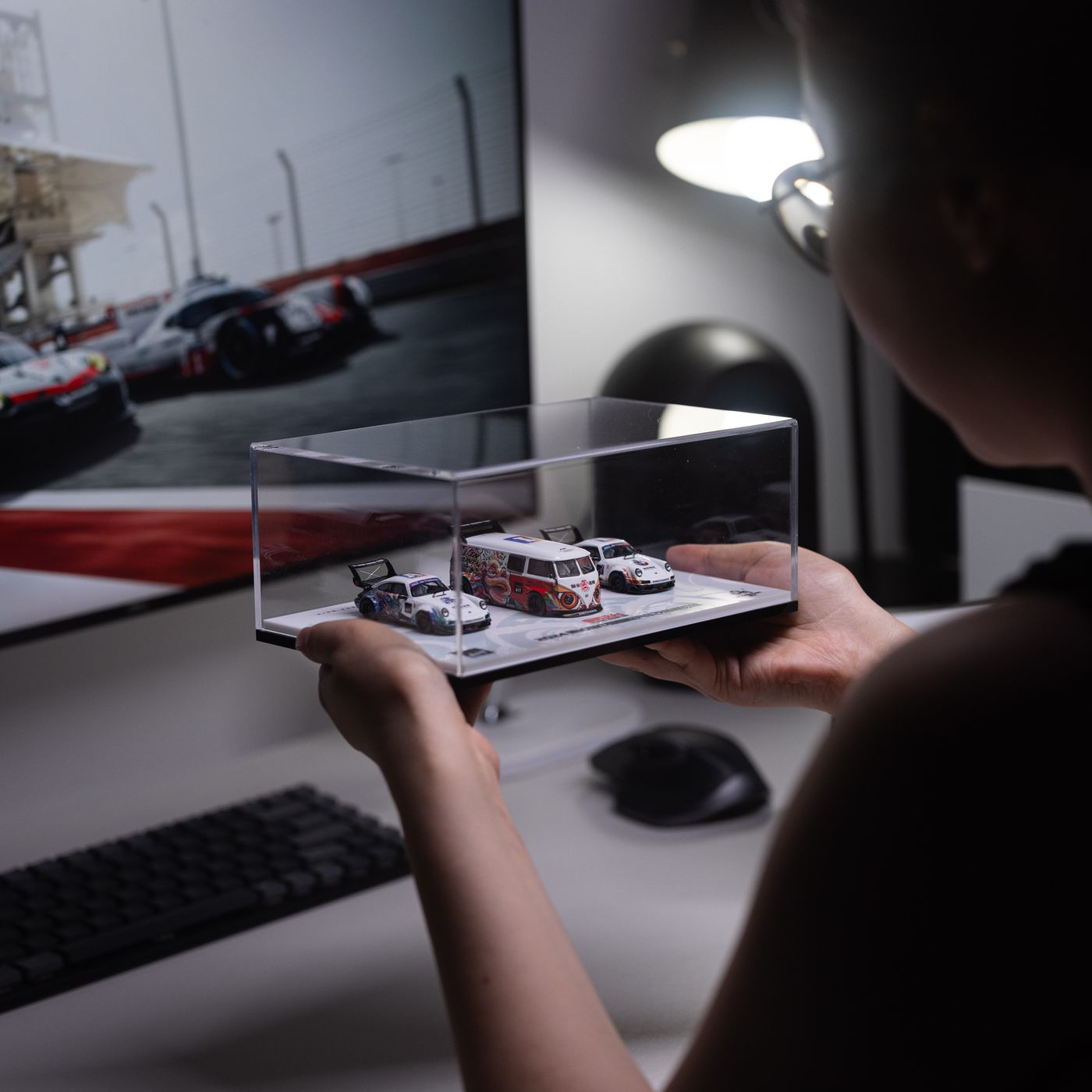
Measure the space you can actually use
List the shelves, drawers or cupboards available without displacing everyday functions. Measure usable dimensions and note access limits. A high shelf may have enough volume but be unsuitable for frequent handling. Include the space needed for boxes and accessories, not just the visible toys. Packaging stored elsewhere still belongs in the space calculation.
Set a comfortable capacity below the point where every retrieval requires moving several other objects. Think in complete storage groups rather than a simple number of toys: one large boxed model may occupy more room than many small figures. A collection limit should reflect the objects you intend to own, not an arbitrary count chosen before measuring.
Choose a collecting question with a boundary
Possible boundaries include one model family, a particular design feature, a short period or a small group of favourite subjects. Test the idea by listing a few examples you would genuinely enjoy examining. Avoid choosing a narrow theme solely because it sounds disciplined if the objects themselves do not interest you.
Decide how variants and duplicates fit the plan. A collection of every colour can grow quickly even when the basic model is small. You might instead choose one representative example per design, or keep a separate photographic reference for variations you do not intend to own. Studying an object does not always require buying it.
Plan additions and departures
Before each purchase, identify its intended location and the complete space it needs. If there is no suitable location, pause the purchase or decide what arrangement will change. Do not rely on a future cabinet that has not been measured or obtained. A temporary pile can become permanent while the collection continues to expand.
Keep a review list for duplicates or pieces that no longer fit the focus, but do not force yourself to sell something immediately to justify an impulsive purchase. Review calmly, preserve records and choose an appropriate method of transfer. Leaving a gap on a shelf is also a valid outcome.
Use rotation for viewing
A small display can show a changing selection while the rest remains in suitable labelled storage. Choose a rotation schedule you can maintain and update locations each time. Do not make the display so elaborate that changing one object requires dismantling the whole shelf.
Revisit the collection boundary when your interests change. Record the new direction rather than treating earlier choices as mistakes. The aim is a collection you can find, handle and enjoy within your home, with enough space left to use the room comfortably.