Comics & cards 047
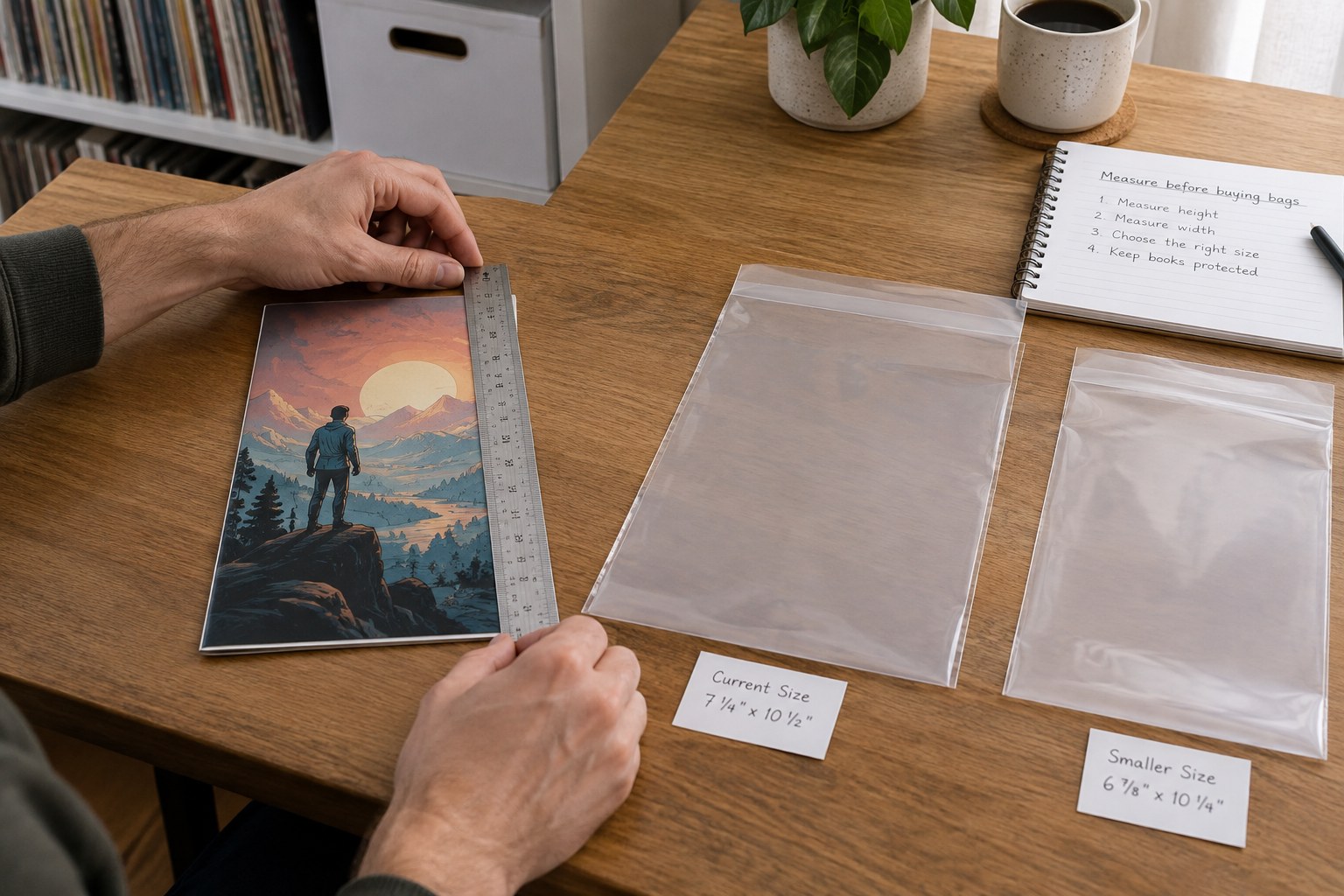
Measuring comics before buying bags
A comic's publishing era is a useful shopping clue, but it is not a measurement. Check the actual copy and its backing board before ordering a packet of bags.
Read the guide20 guides · Page 1 of 2
A comic's publishing era is a useful shopping clue, but it is not a measurement. Check the actual copy and its backing board before ordering a packet of bags.
Read the guide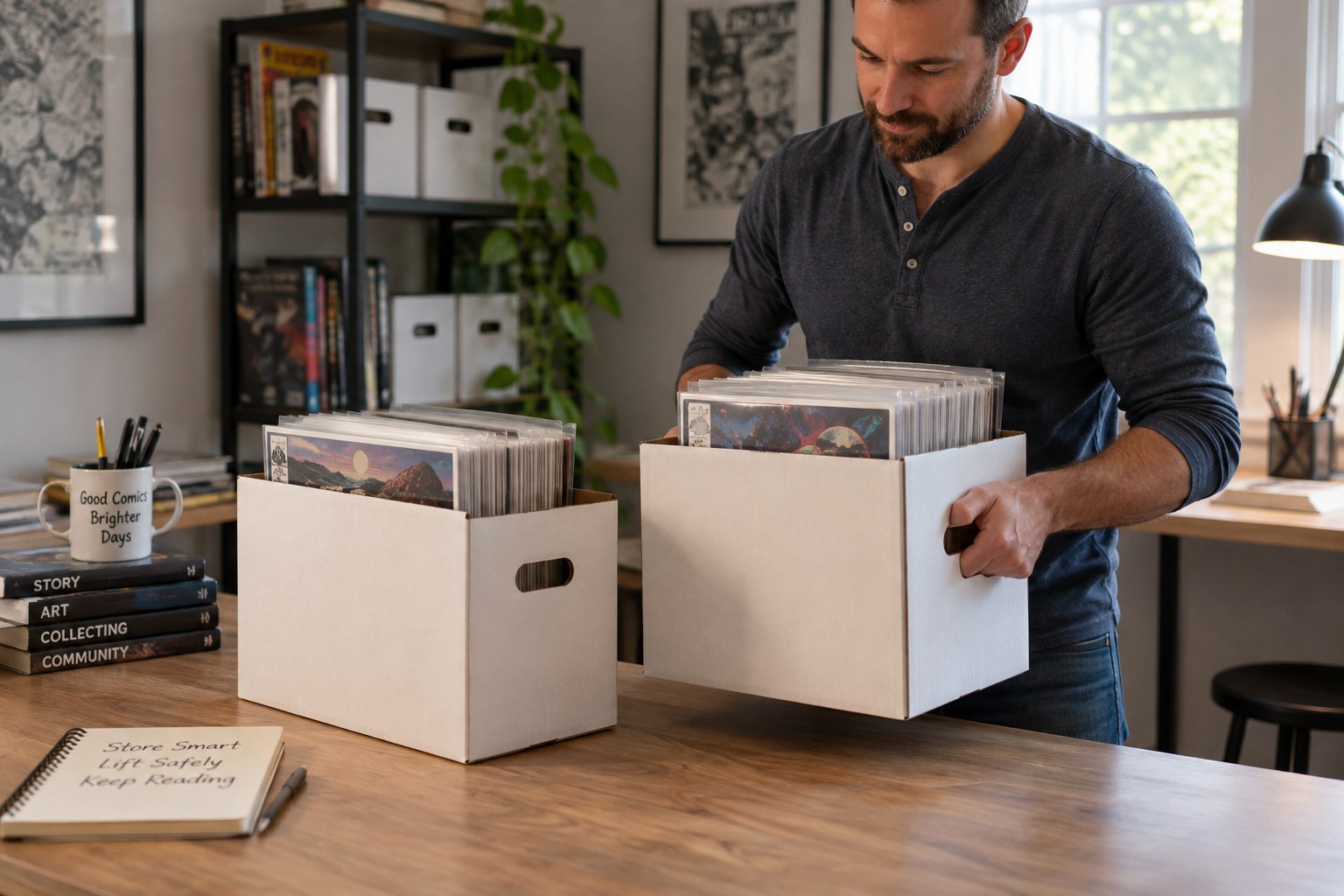
A box can fit the shelf and still be awkward to move once filled. Choose comic storage around the complete lifting task, not just its advertised capacity.
Read the guide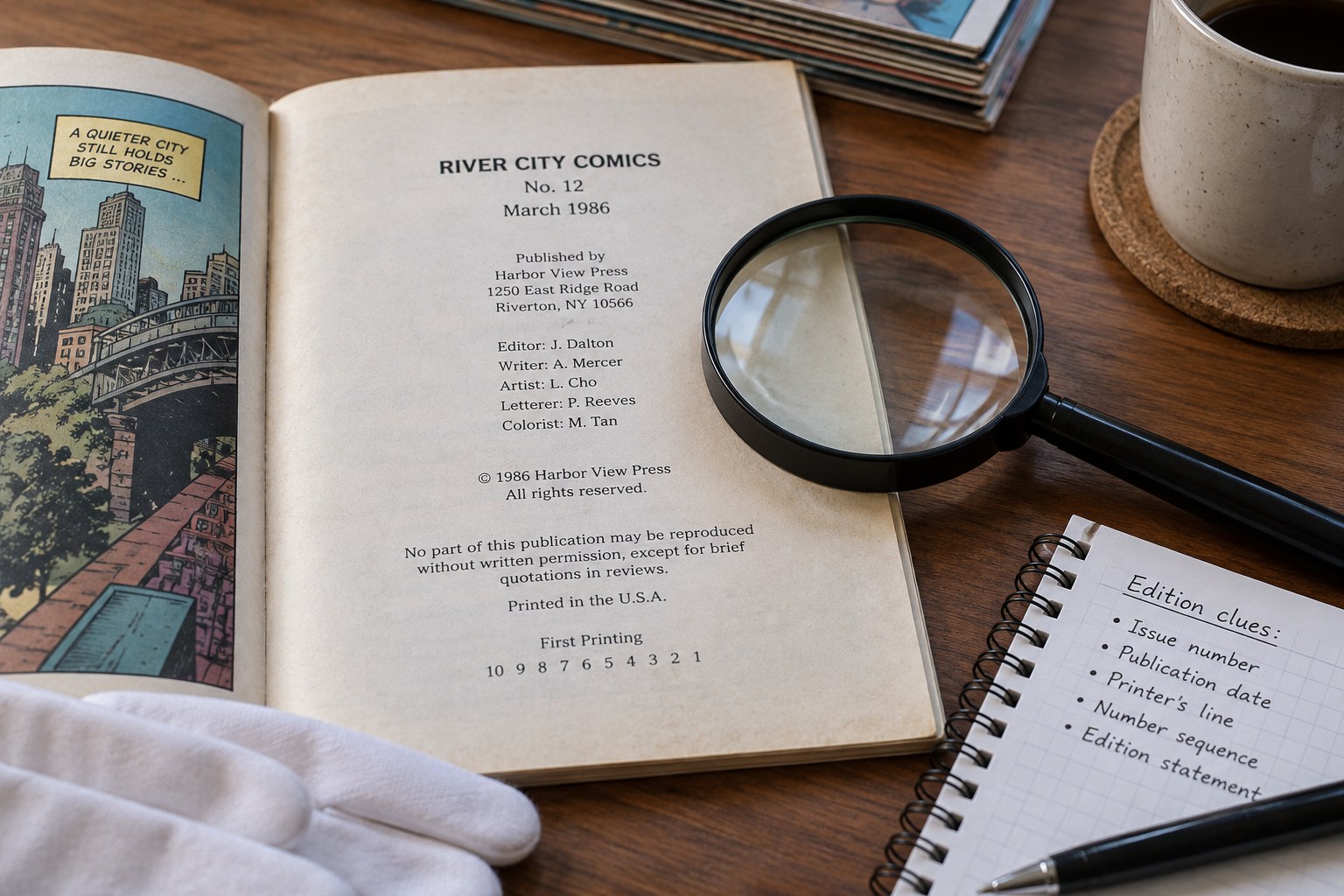
A familiar cover can belong to several editions. Identify the copy from its own publication details before borrowing a description from an online listing.
Read the guide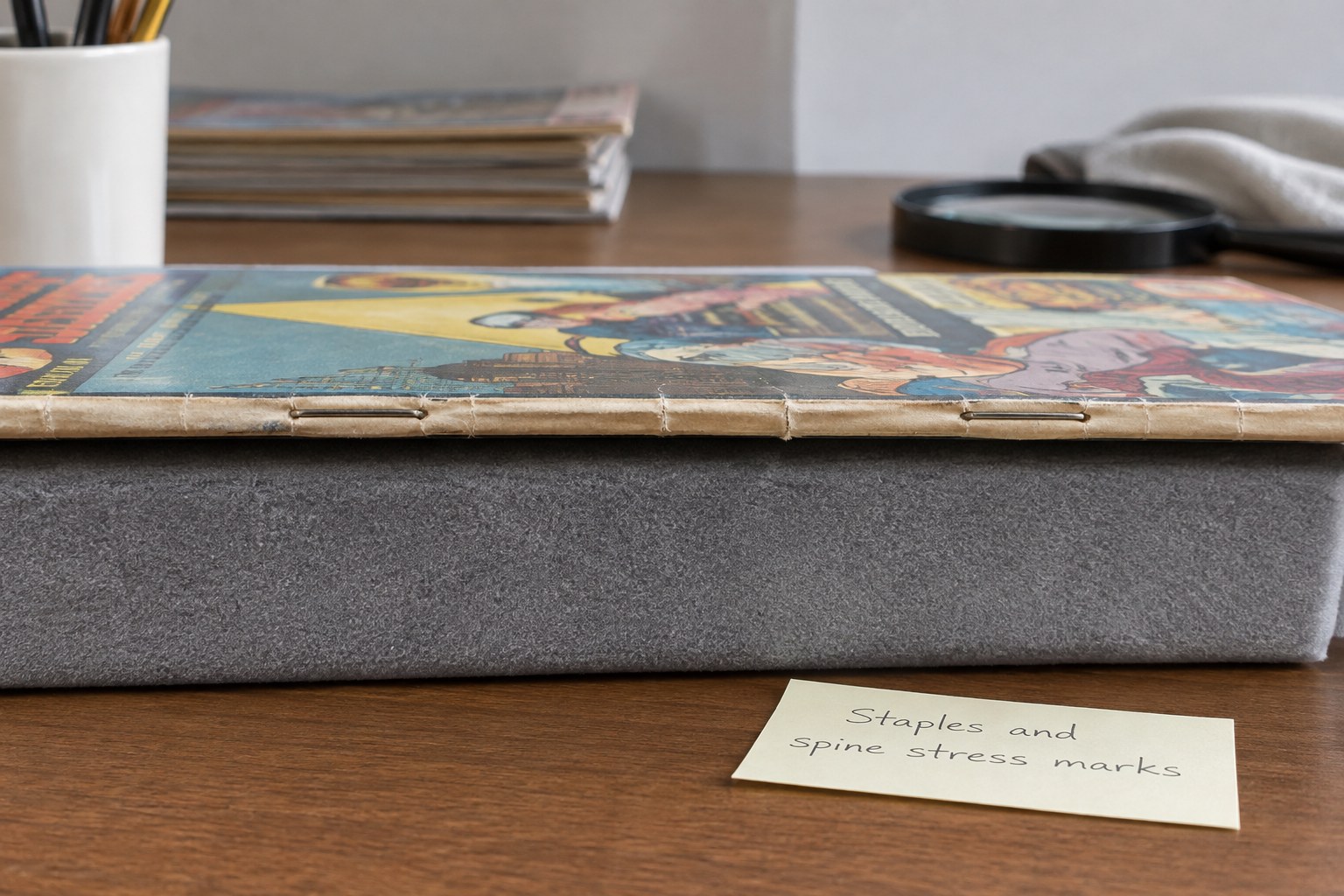
A useful spine description tells the reader where a mark is and what it looks like. It does not require you to assign a numerical grade.
Read the guide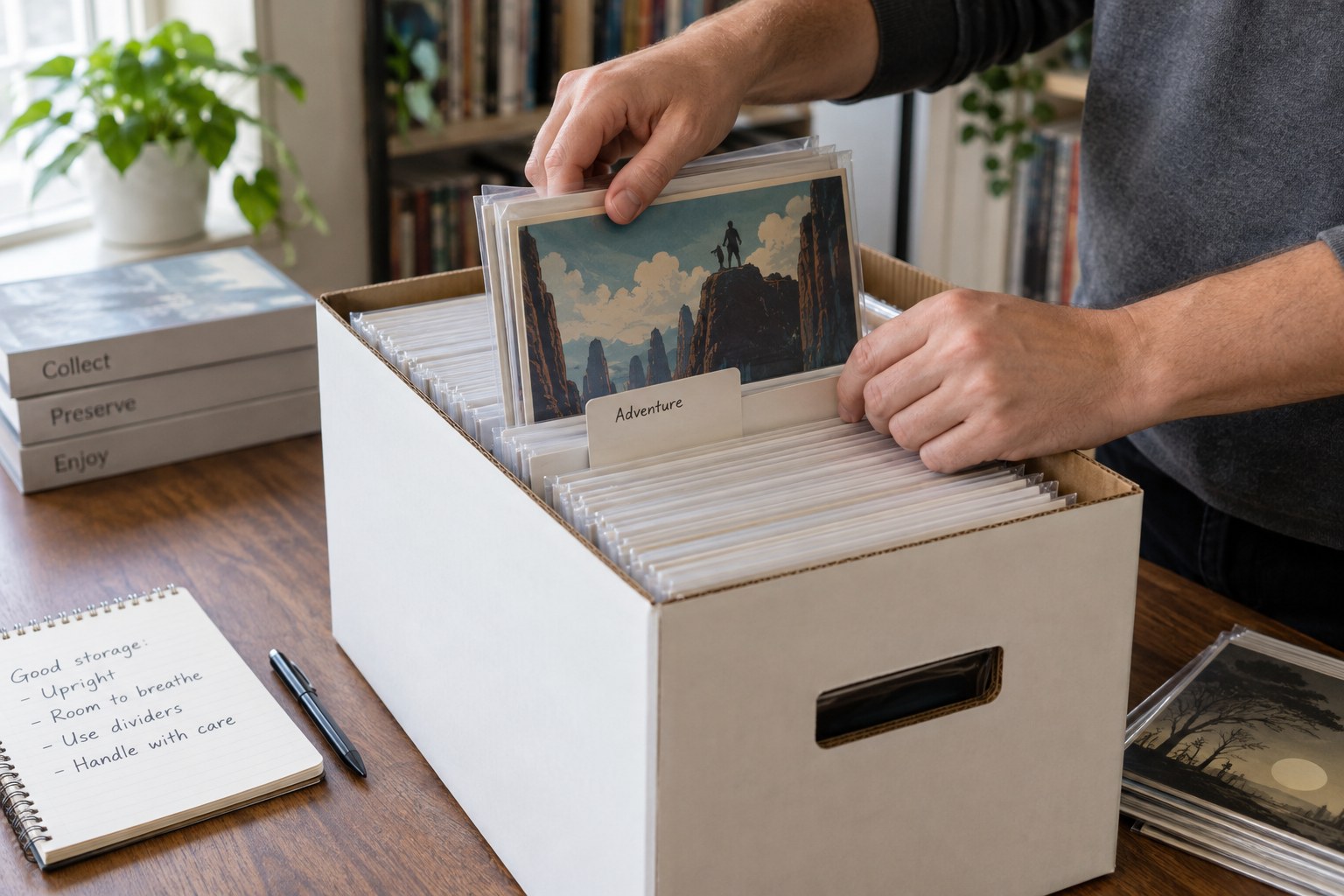
An orderly row of comics should still leave room to remove an issue. Pressure is not a substitute for support, and a tightly packed box can be difficult to use.
Read the guide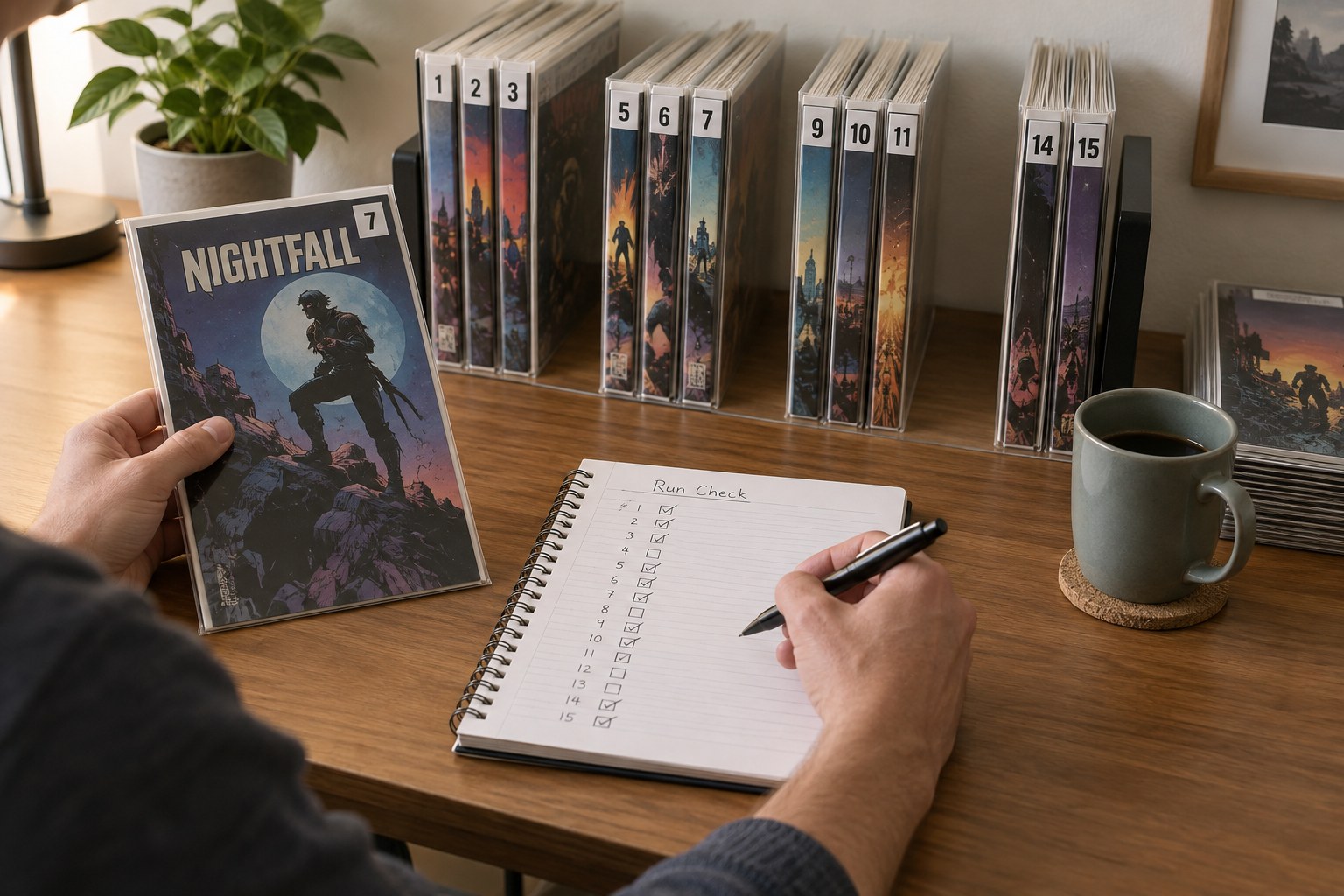
An incomplete run is easier to assess when you separate the issues you want from duplicates, extras and unknowns. A large count alone says little about whether the lot suits your collection.
Read the guide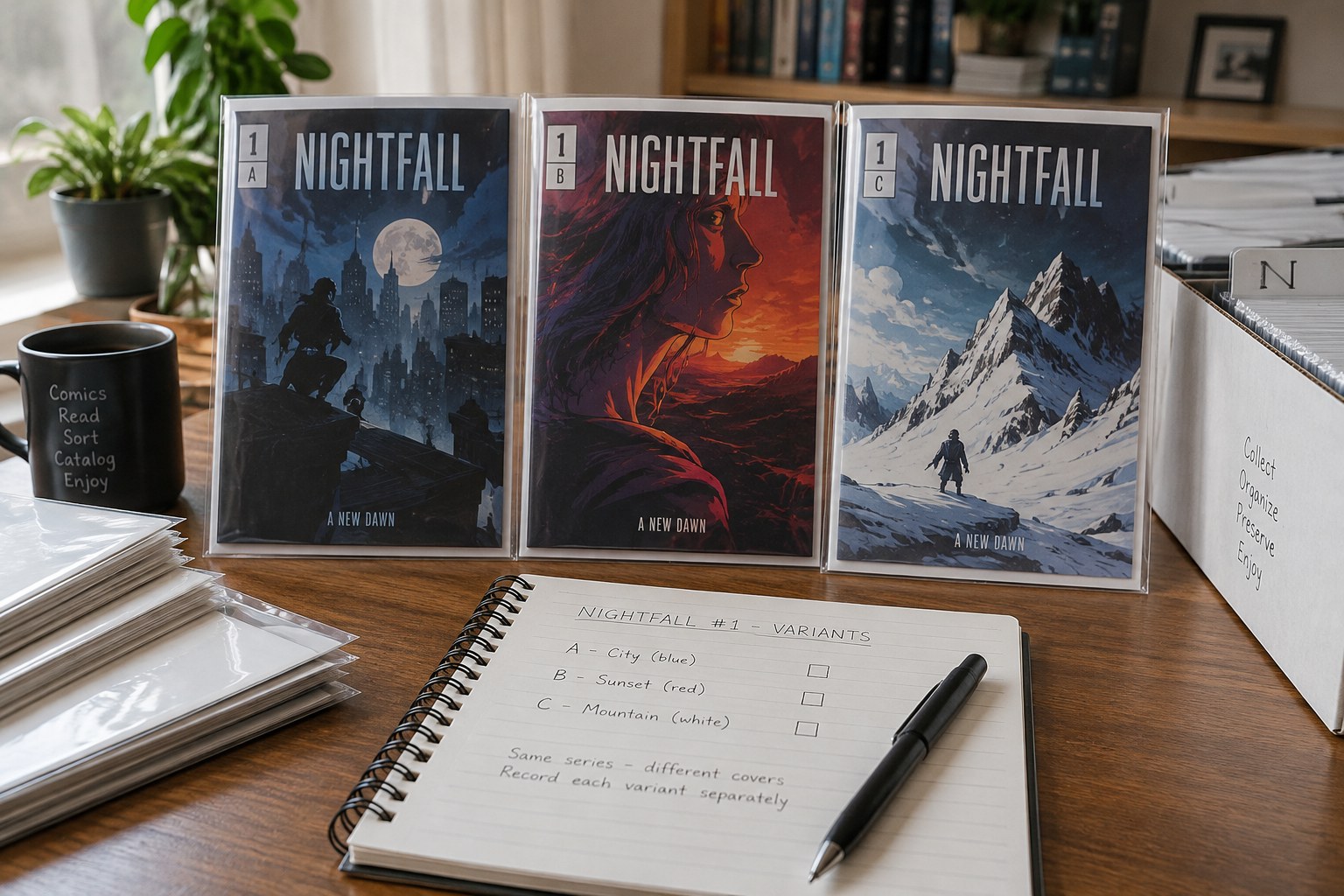
Variant covers need two levels of description: the issue they belong to and the individual copy you own. Keeping those levels separate prevents both accidental duplicates and missing copies.
Read the guide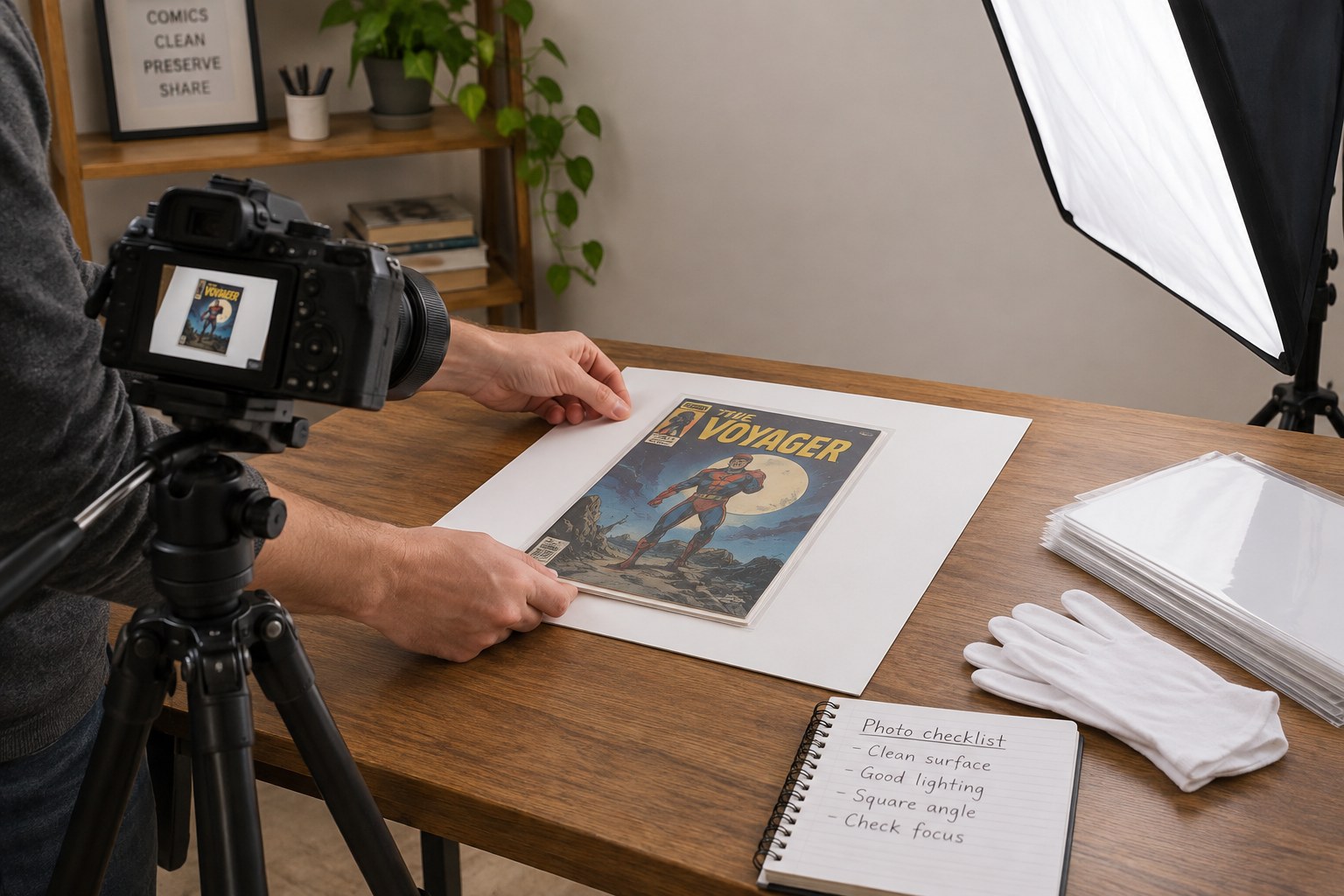
Prepare the photographic setup before bringing out the comics. A short, organised session reduces repeated handling and produces a clearer record of the copy offered.
Read the guide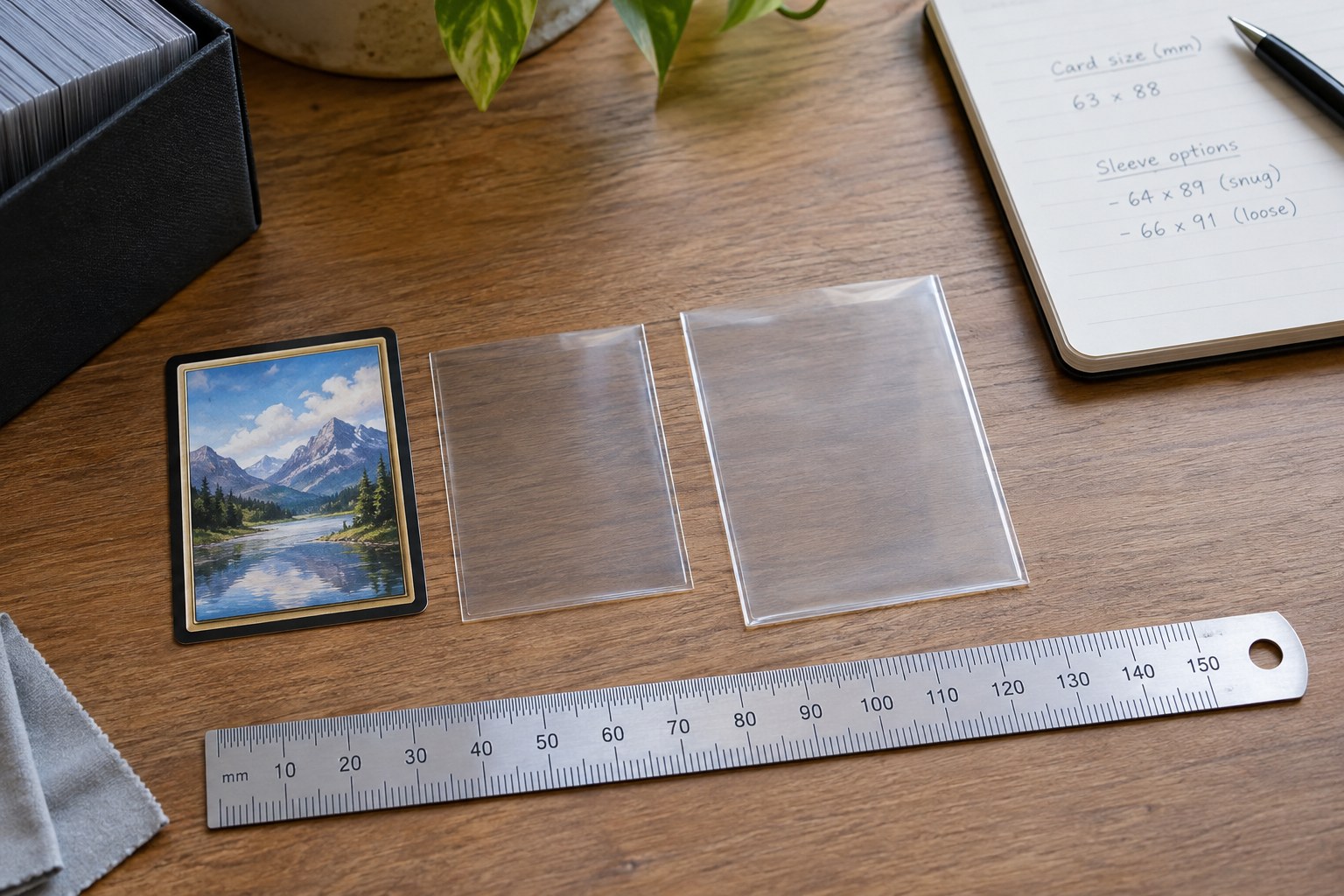
Card sleeves are easier to compare when you know the card's measurements and the complete storage arrangement. A game name on a packet is only a starting point.
Read the guide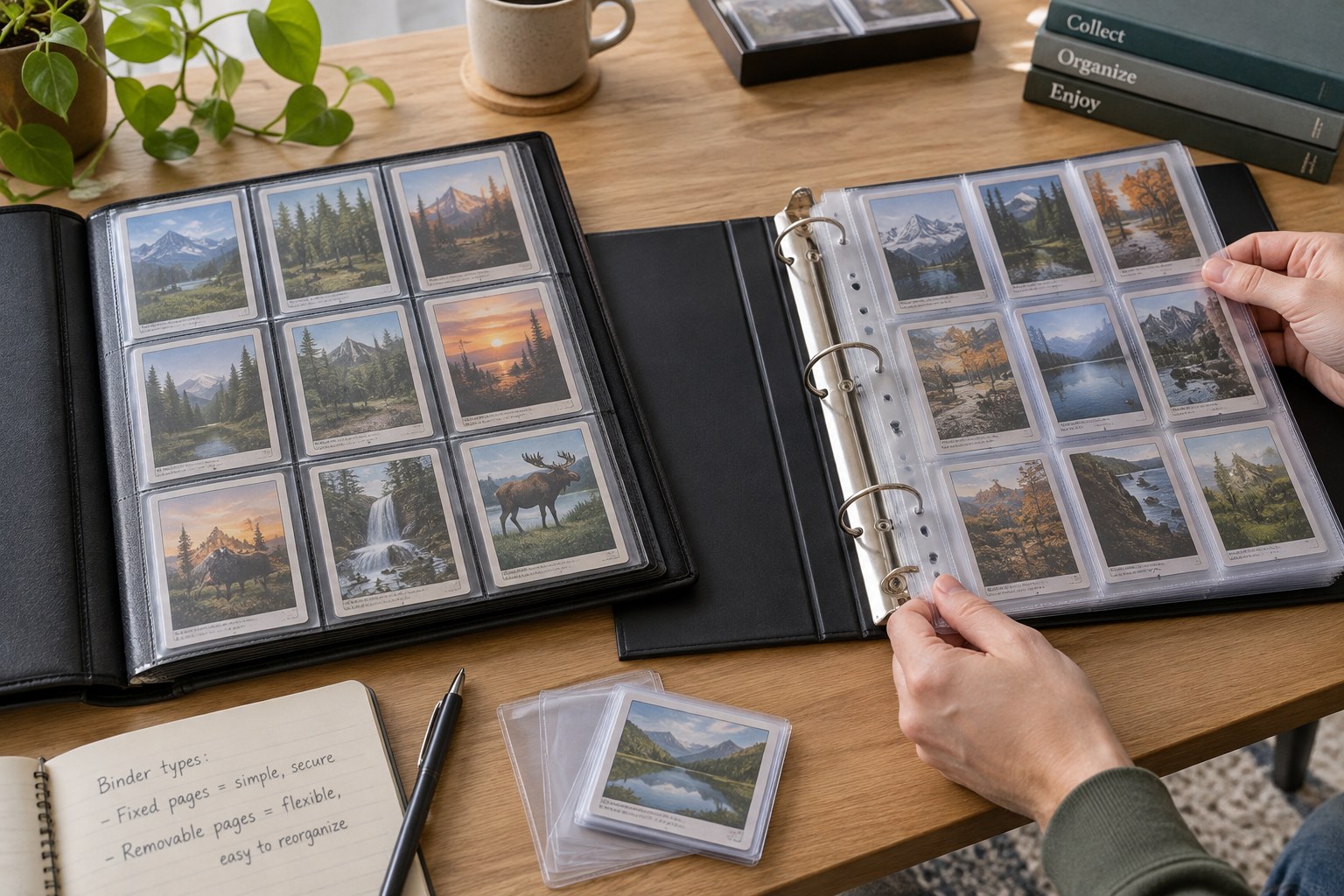
Fixed-page and removable-page binders solve different problems. The better choice depends on how often the collection changes, how you view it and where the filled binder will live.
Read the guide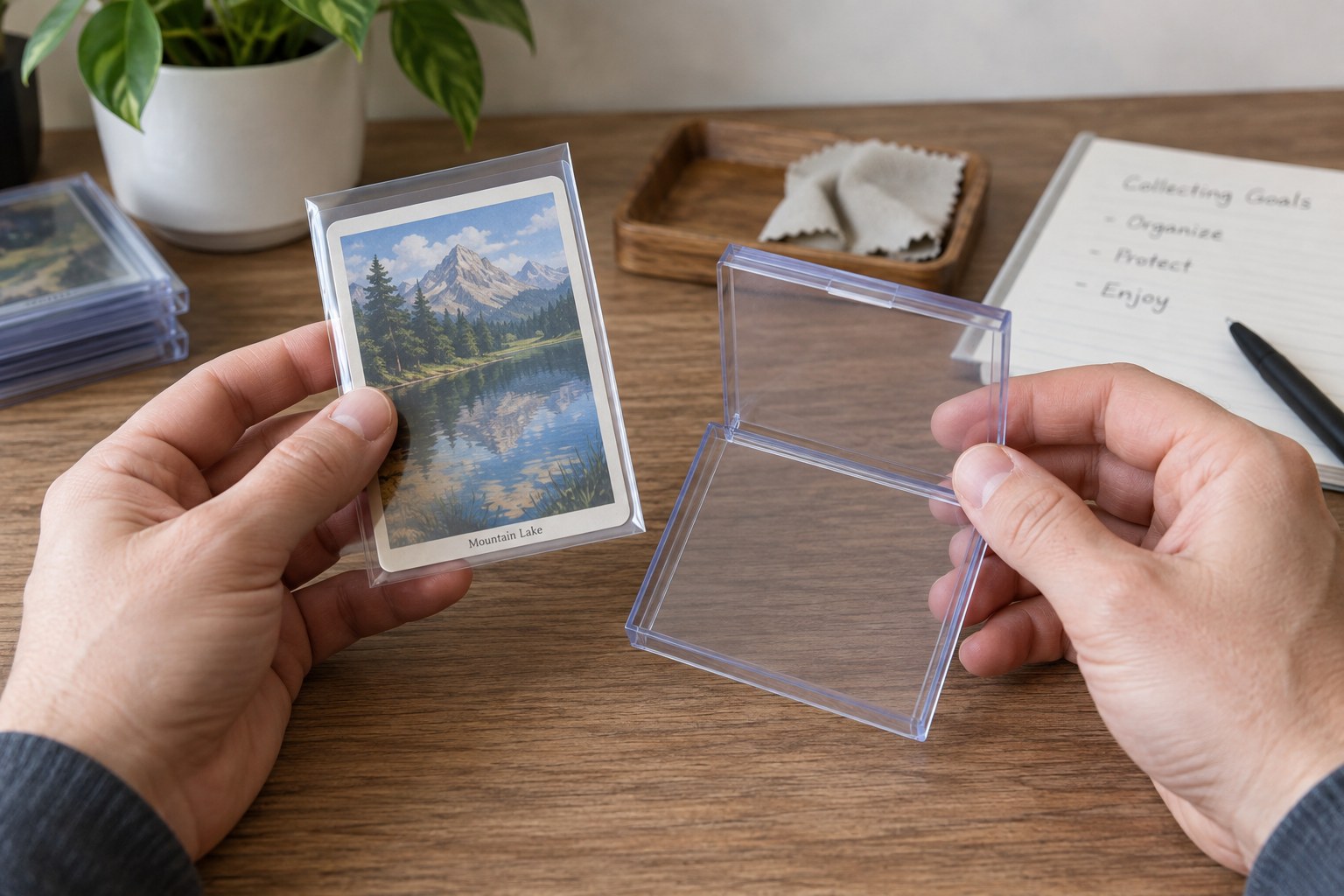
A rigid holder must accommodate thickness as well as height and width. Check the complete combination before placing a card inside it.
Read the guide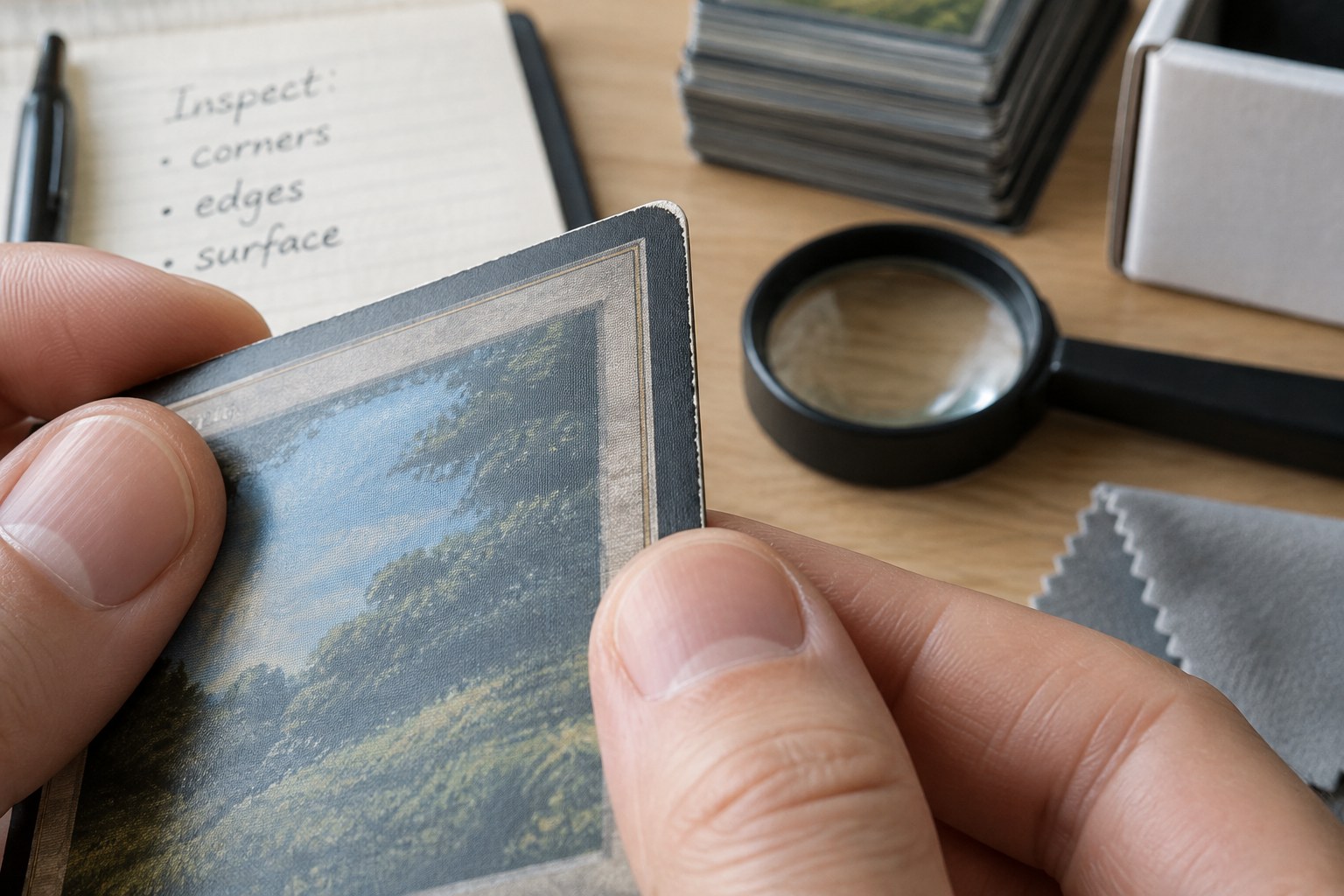
A card inspection is more useful when the observations are organised by area. You can describe visible condition without turning the exercise into an unofficial grading service.
Read the guide