
Coins & banknotes 001
Choosing a focus for your first coin collection
A first collection becomes easier to build when you can explain what belongs in it. Start with a boundary you can recognise, then leave room to change your mind.
Read the guideFrom the first coin in an album to the last detail in a sale listing: explore the objects, the storage and the questions behind a collection.
Browse the guides ↗Two different objects. Two decisions worth taking slowly.
A first collection becomes easier to build when you can explain what belongs in it. Start with a boundary you can recognise, then leave room to change your mind.
Read the guide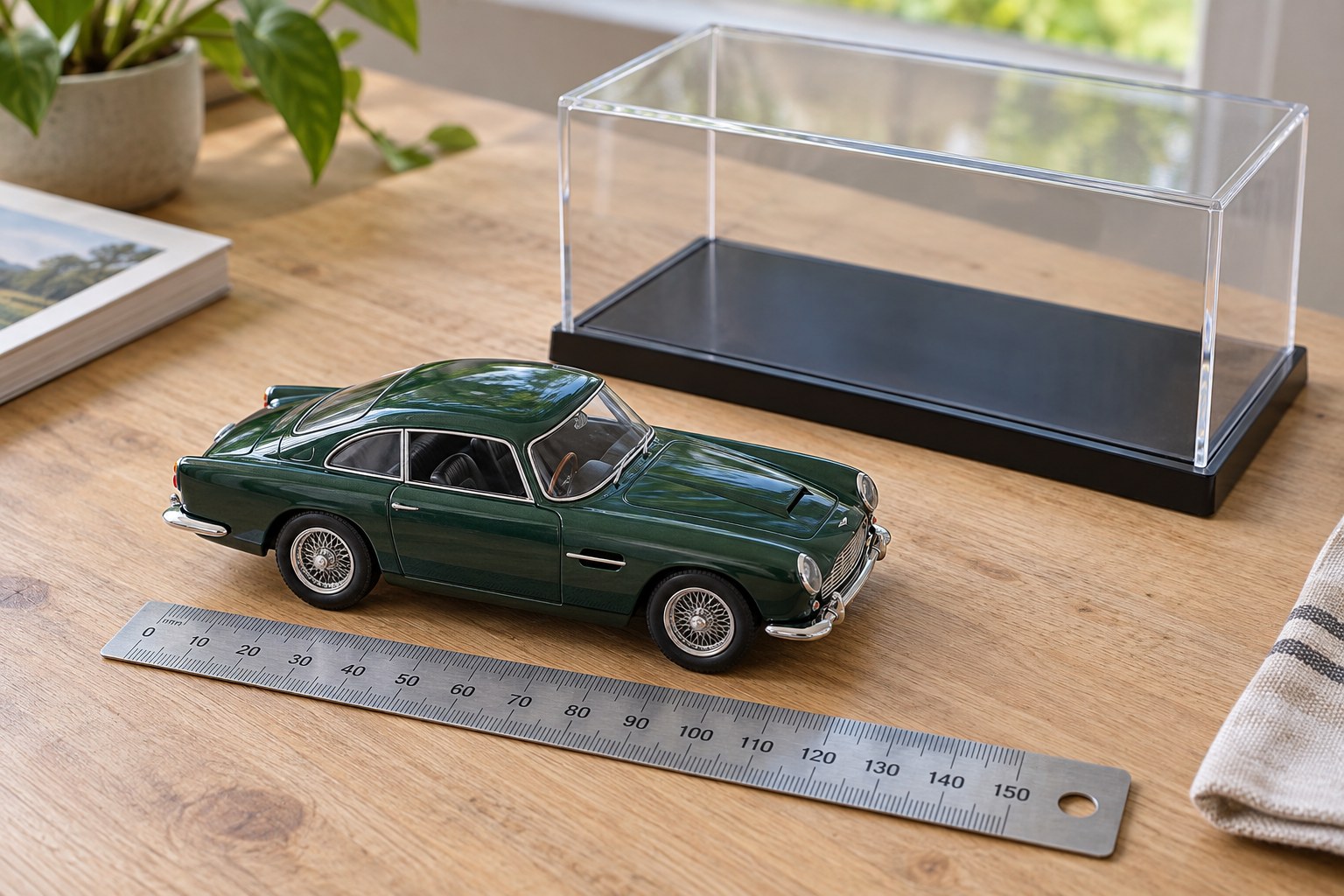
The number printed on a model’s box does not tell you whether it will fit inside a particular display case. Measure the finished object, its base and the space needed to place it safely.
Read the guideA clear description starts with what you can see. Explore photographs, condition records, packing and the questions to ask before buying.
Explore buying & selling ↗
A coin has three surfaces worth recording. Reading them separately prevents a familiar portrait from standing in for a complete identification.
Read the guide
An album and a stockbook solve different organising problems. Choose around how often you change the arrangement and what you want to see when a page opens.
Read the guide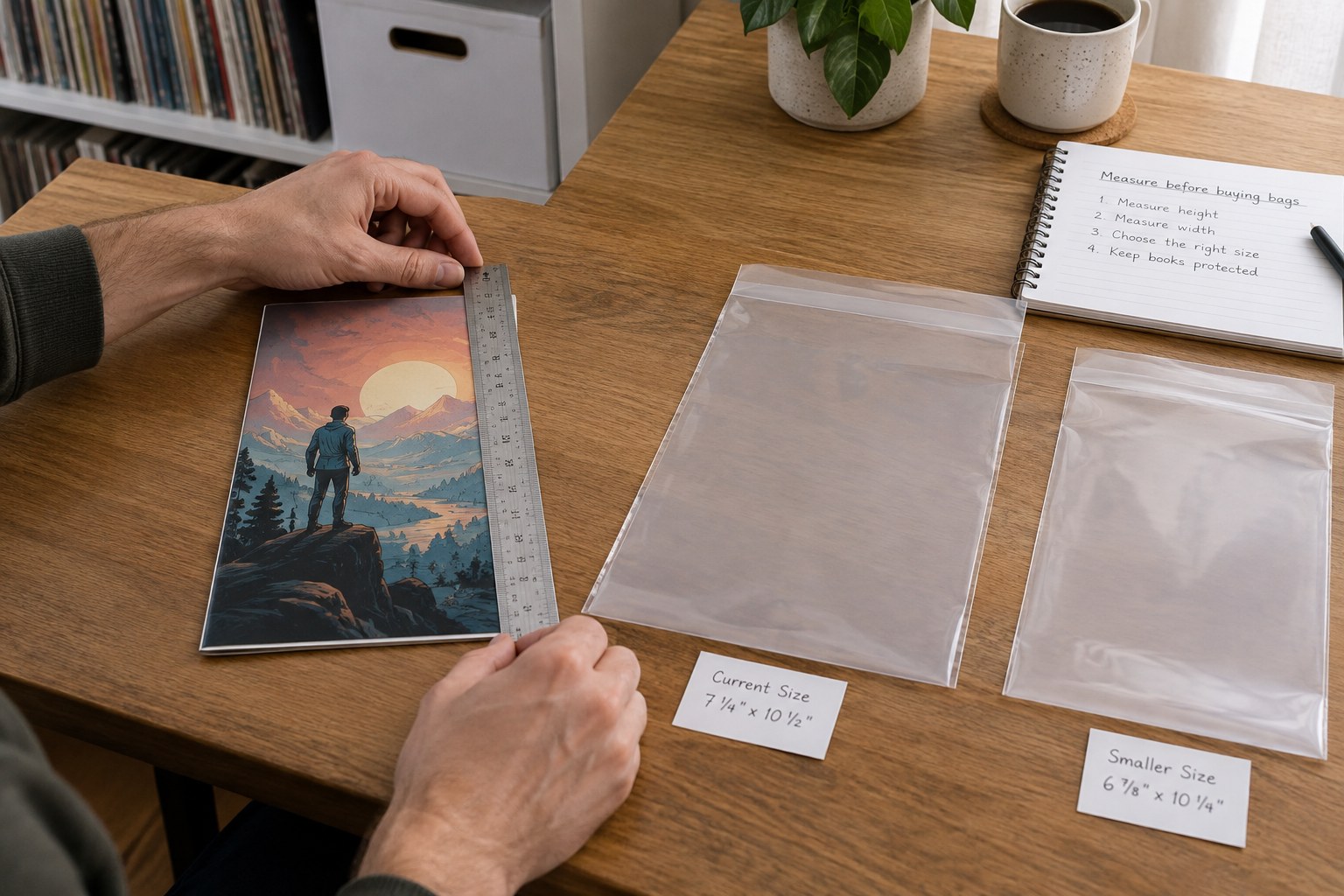
A comic's publishing era is a useful shopping clue, but it is not a measurement. Check the actual copy and its backing board before ordering a packet of bags.
Read the guide
Scale describes a relationship to the full-size subject. It does not tell you the exact shelf space a model needs, and it should not be confused with a model railway's track gauge.
Read the guide
The most useful inventory is one you will update after an ordinary purchase, not just during a weekend of ambitious organising.
Read the guide
A collectible listing should describe the object a buyer will receive. Start with the actual specimen, then use references to clarify it without allowing catalogue language to replace observation.
Read the guide