
Stamps & paper 025
Stamp album or stockbook for a beginner
An album and a stockbook solve different organising problems. Choose around how often you change the arrangement and what you want to see when a page opens.
Read the guide22 guides · Page 1 of 2
An album and a stockbook solve different organising problems. Choose around how often you change the arrangement and what you want to see when a page opens.
Read the guide
Stamp tongs should let you move a small piece of paper with control. Tip shape, alignment and comfortable pressure matter more than decorative handles.
Read the guide
A stamp’s outer edge deserves its own inspection. Record what is present before deciding whether an irregularity comes from separation, damage or the issue’s original format.
Read the guide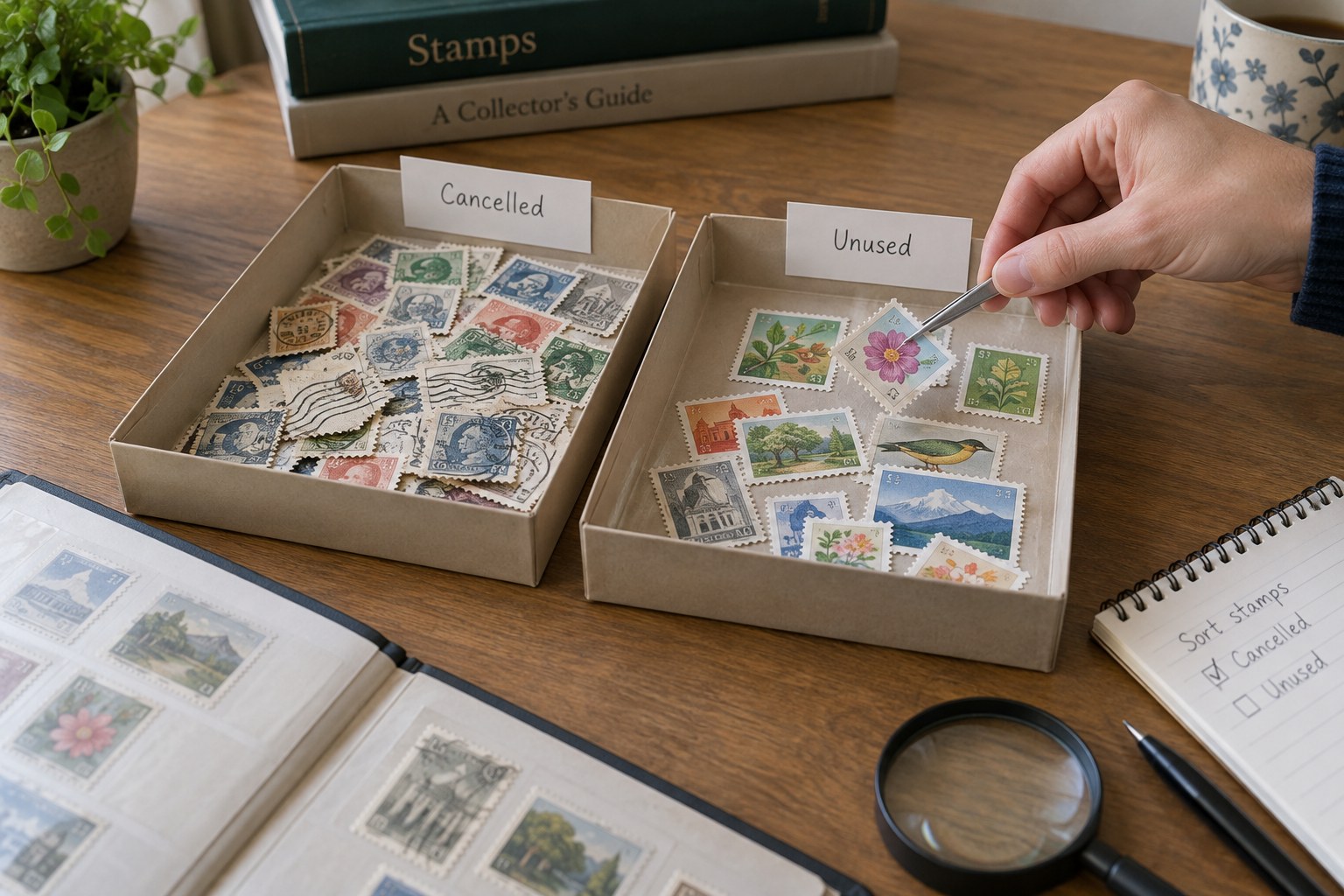
Used and unused are useful starting categories, but a stamp’s visible front does not always settle its history. Keep descriptive details alongside the broad label.
Read the guide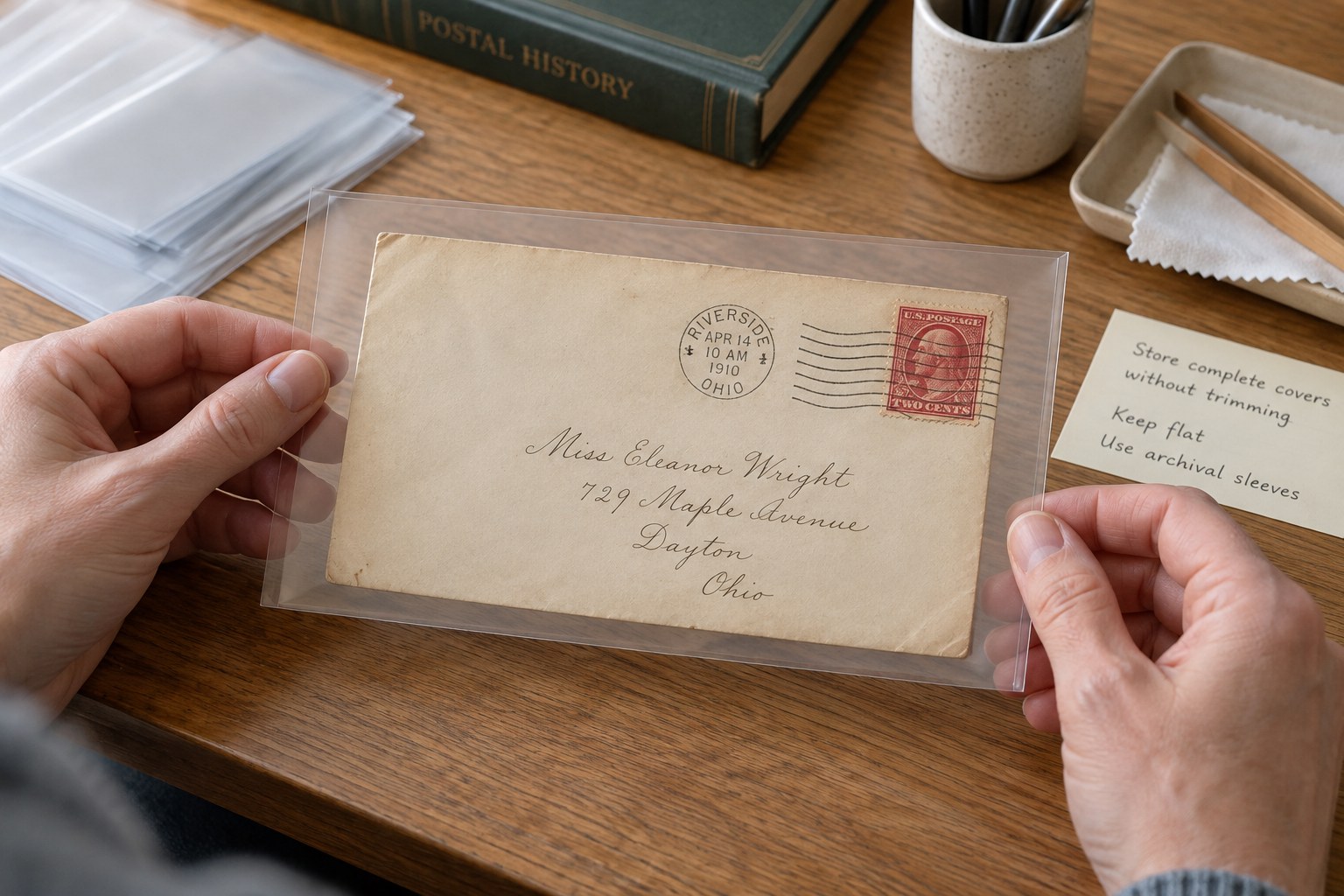
A complete cover connects stamps, addresses, markings and the envelope itself. Keep those elements together while choosing storage around the object’s full dimensions.
Read the guide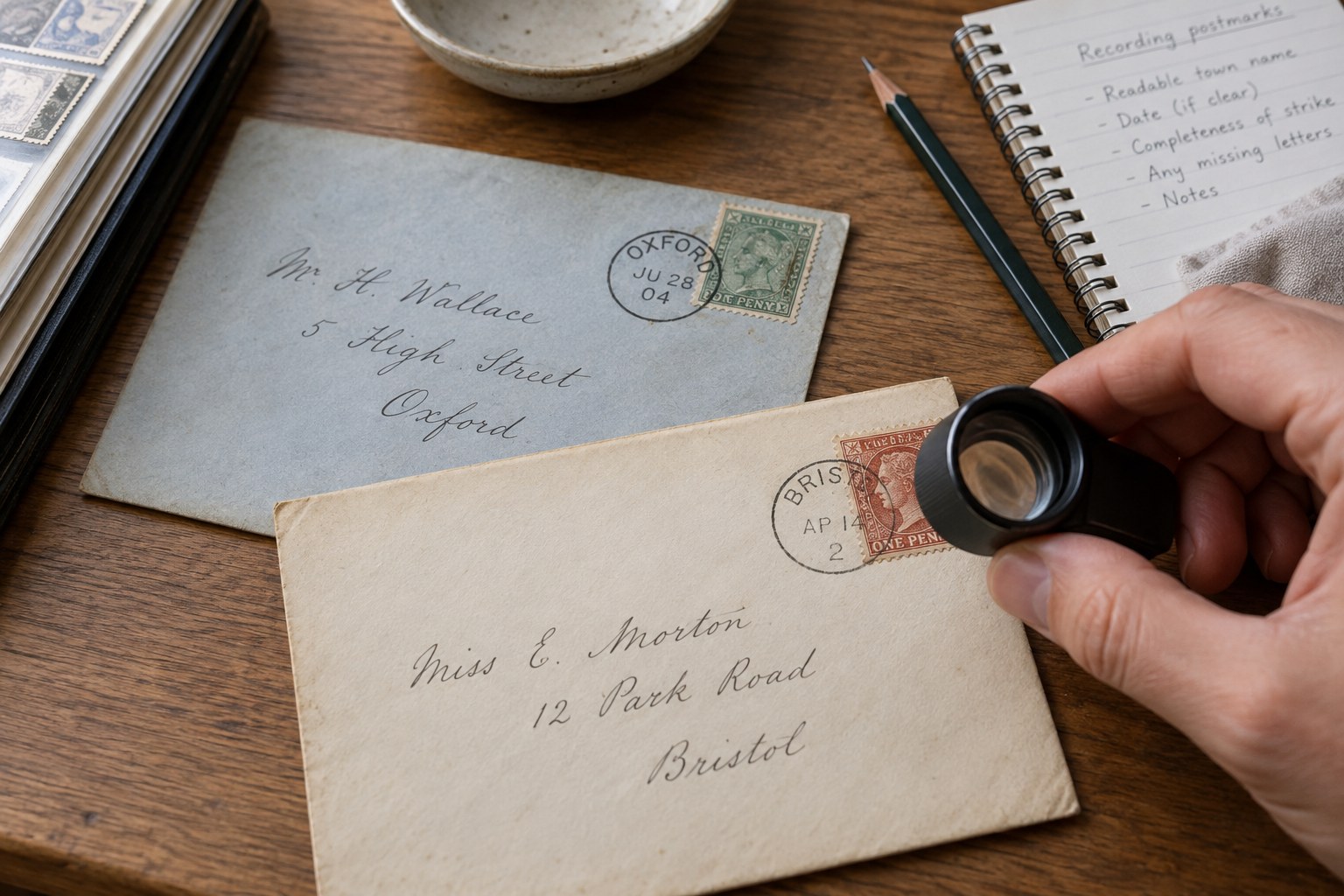
An incomplete postmark is still evidence. Preserve the characters you can see and the position of the mark before deciding what place or date it represents.
Read the guide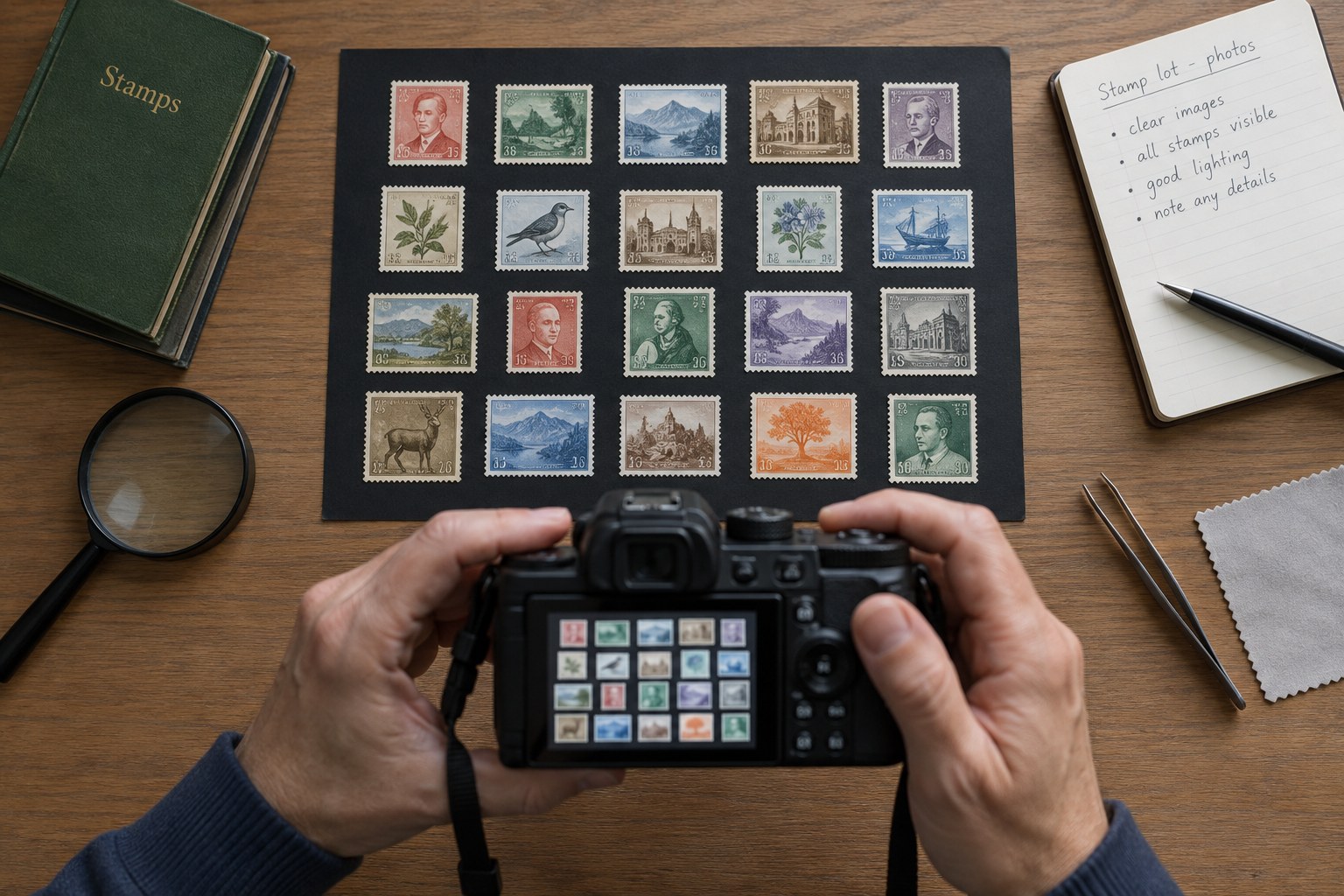
A photograph of a large pile can make a stamp lot look informative while revealing very little. Judge the evidence for the pieces you want, not the apparent volume of paper.
Read the guide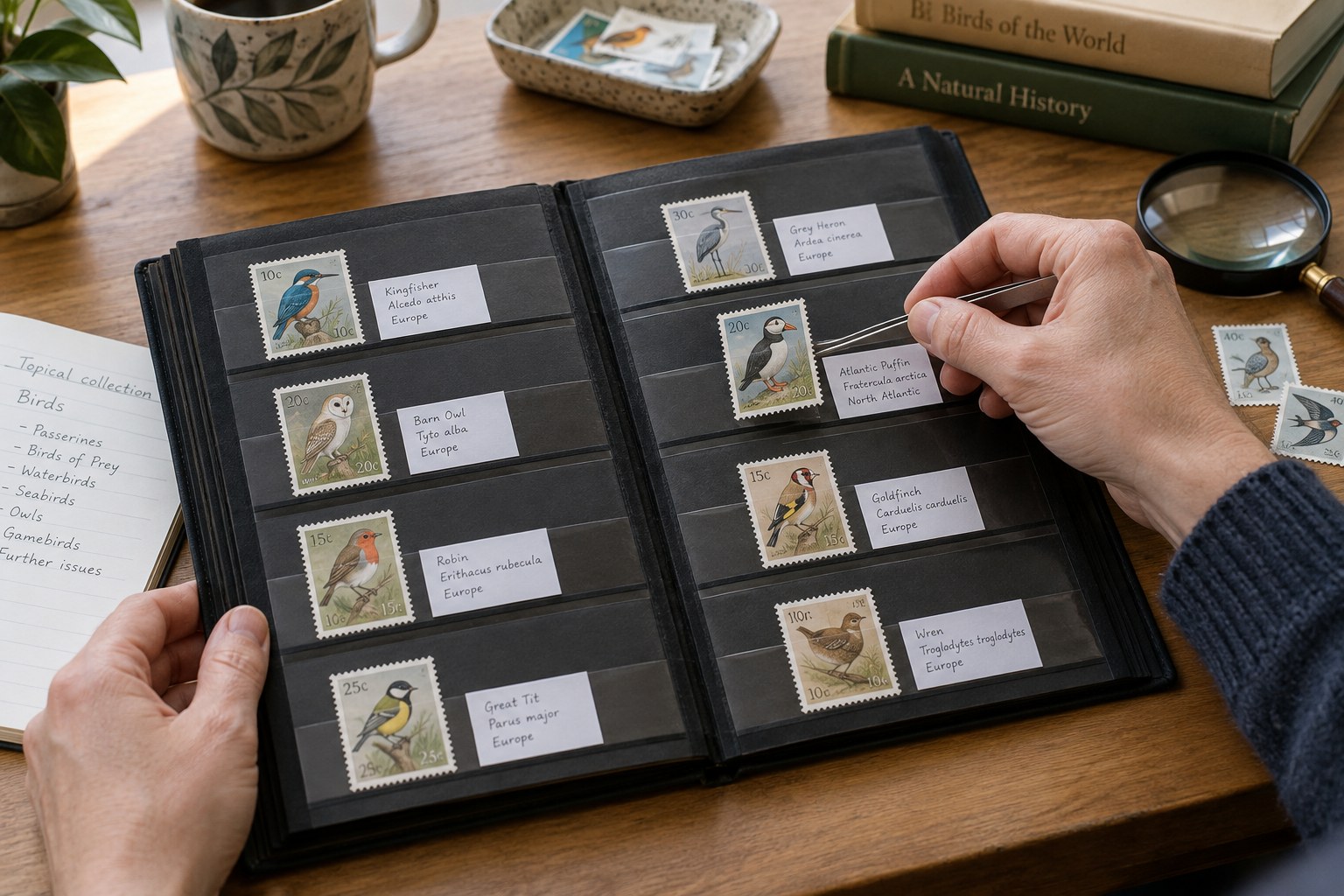
A thematic collection can connect stamps from many places. Keep the route by which each stamp entered the collection visible while creating that new order.
Read the guide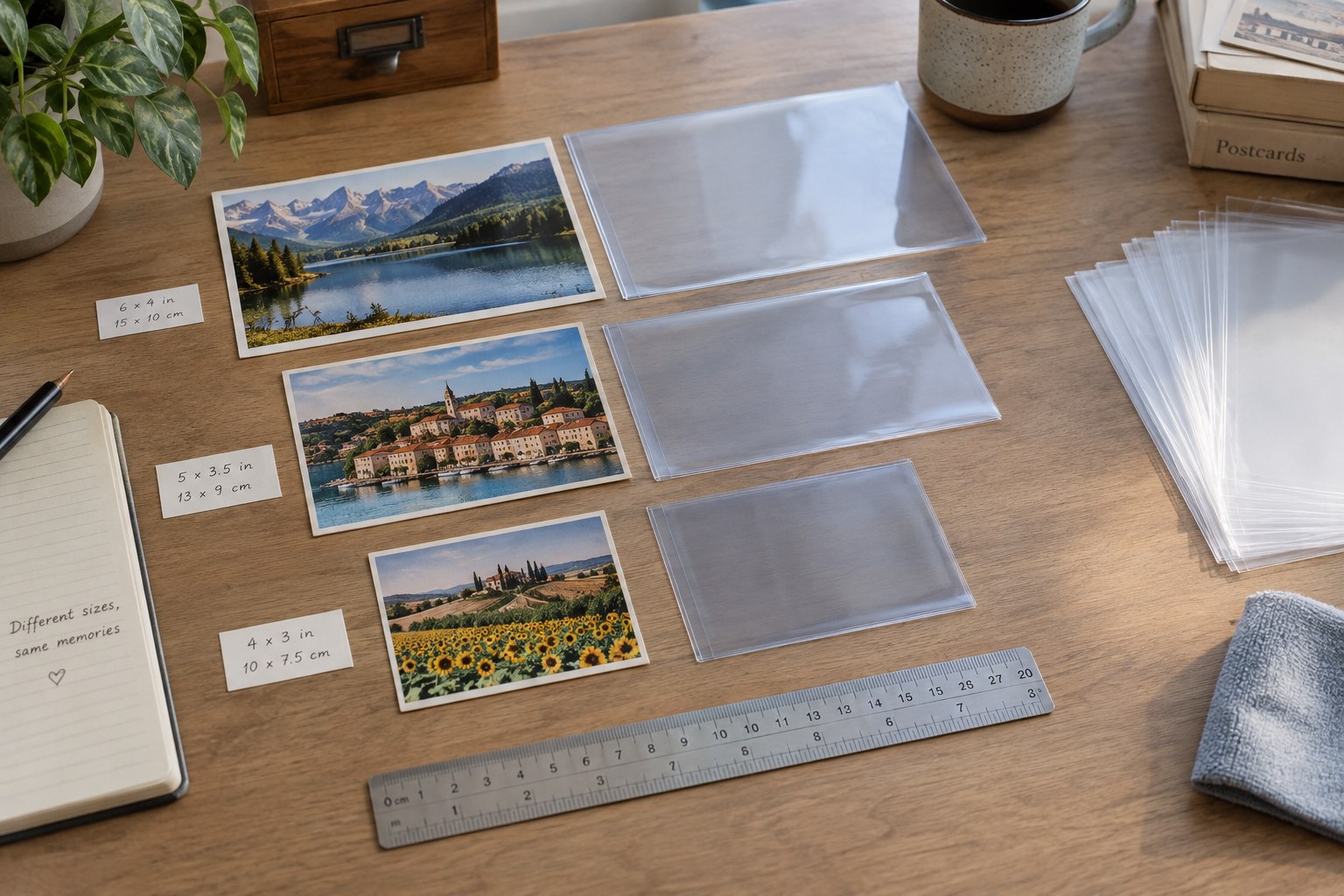
Postcards that look similar in a stack can have different dimensions and thicknesses. Choose sleeves from measured examples, including the awkward formats.
Read the guide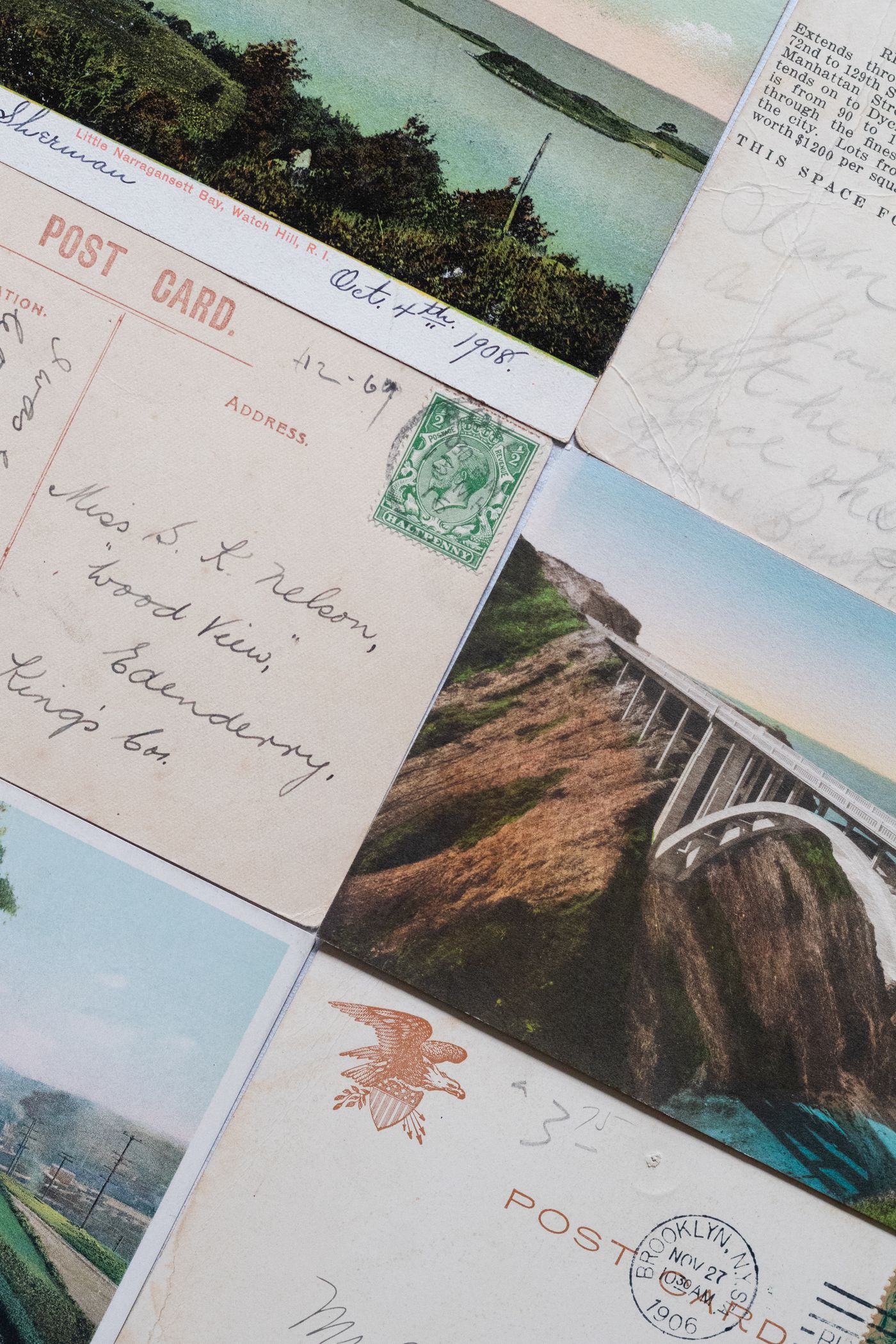
A written postcard contains several kinds of information: the pictured subject, the message, the address and postal markings. Describe each on its own terms before combining them into a history.
Read the guide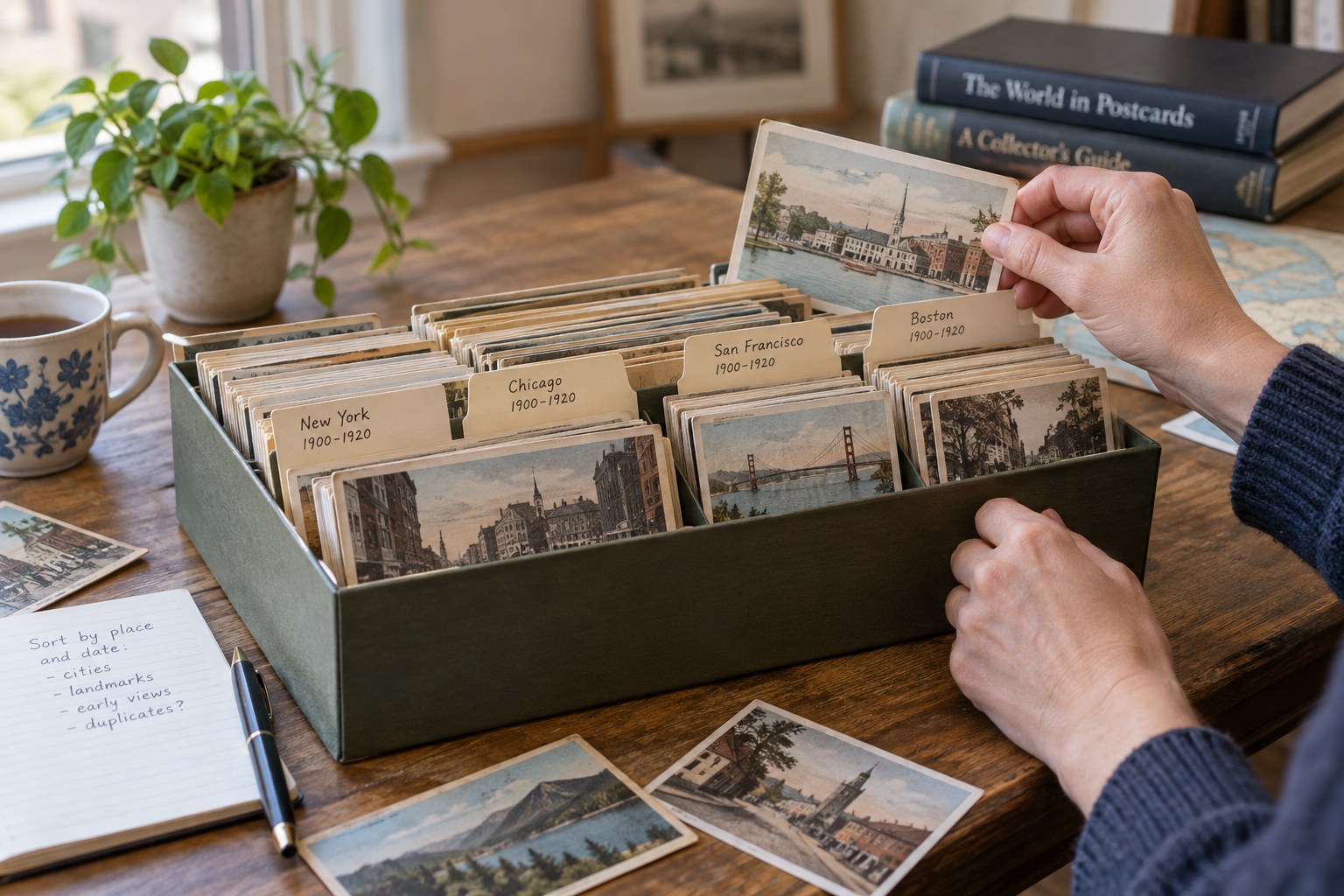
A postcard may show one place, name another in its message and carry a postmark from a third. An index should preserve those distinctions instead of forcing them into one location field.
Read the guide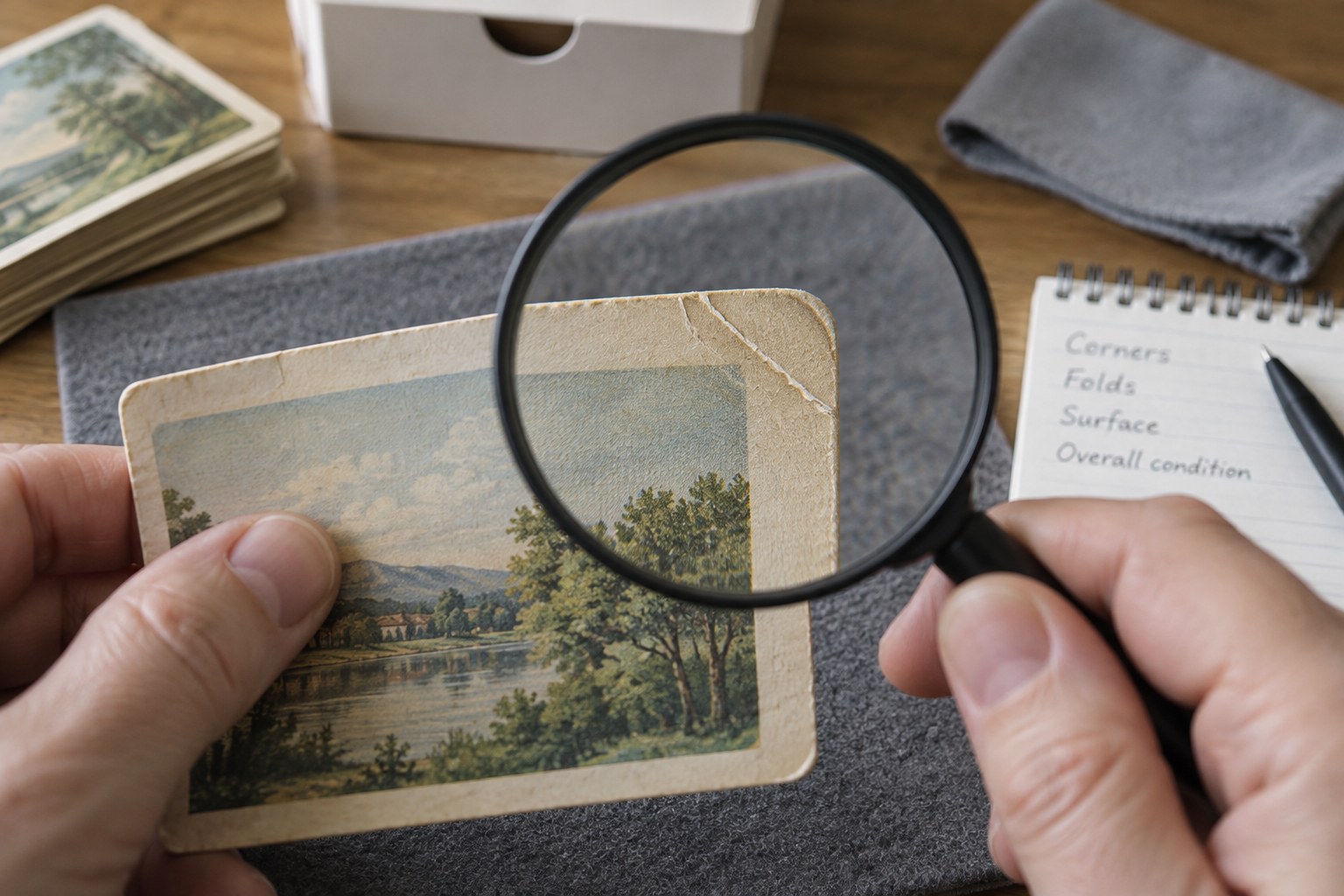
Corners and folds reveal how a paper object has been handled, but their appearance alone may not explain when damage happened. Inspect them without adding stress.
Read the guide