Choosing card sleeves by actual dimensions
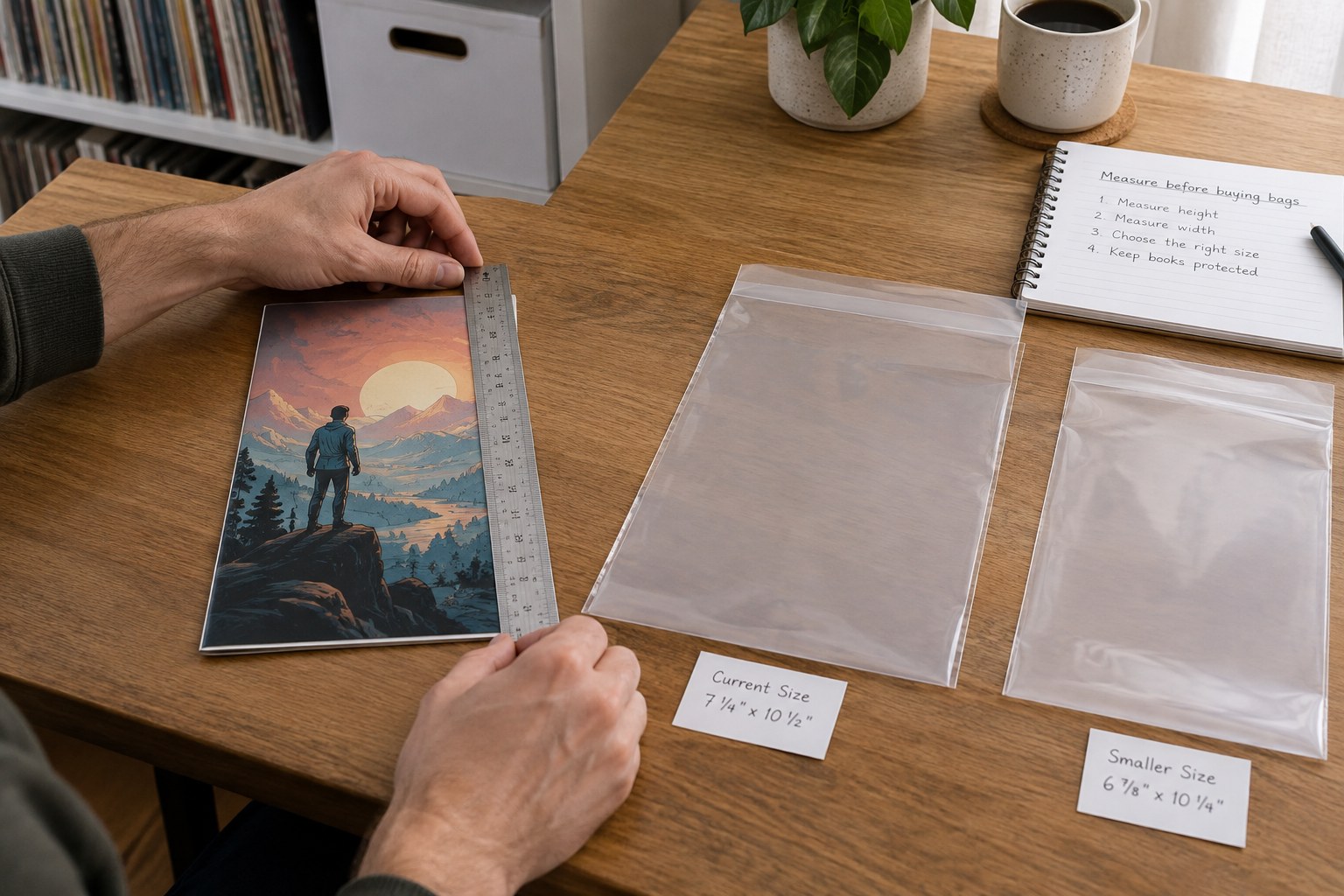
Card sleeves are easier to compare when you know the card's measurements and the complete storage arrangement. A game name on a packet is only a starting point.
Measure representative cards
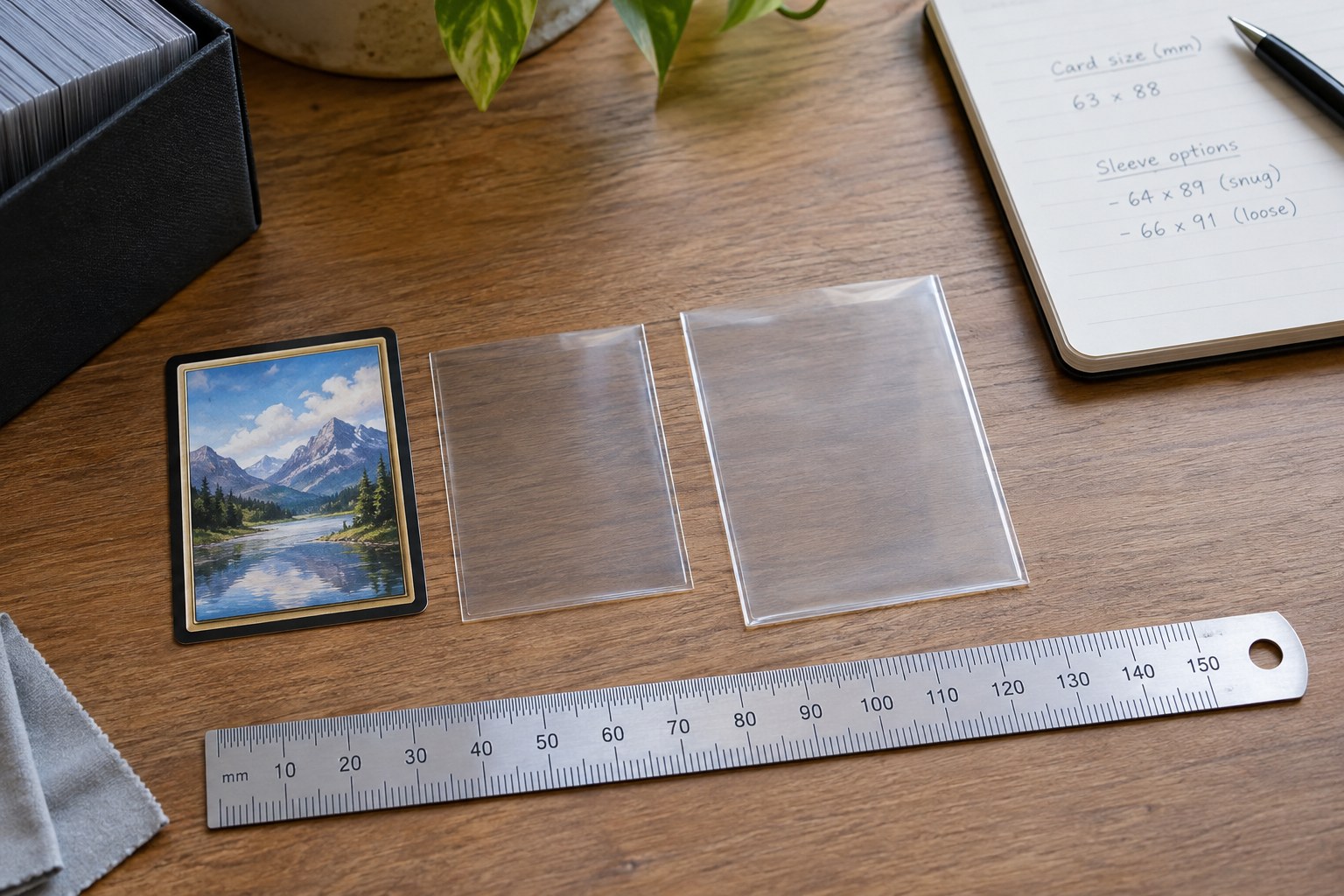
Place a card flat on a clean surface and measure beside it without dragging a ruler over the print. Record height and width in millimetres. Check an ordinary card, a promotional card and any unusually thick or oversized example separately. A collection can contain several formats even when all the cards share the same characters or game title.
Look at the card's shape as well as its dimensions. Rounded corners, projecting details or a noticeable curve can affect insertion. Do not flatten a distorted card to make it match a product specification. Record the observed shape and seek an enclosure that does not require pressure on the object.
Clarify what the sleeve dimensions mean
A seller may list the sleeve's overall measurements or the largest card it is intended to accommodate. Those are not interchangeable figures. Ask which is being quoted, whether the opening is on the short or long edge, and how seams affect the usable space. If a listing only gives a category such as standard or mini, request a dimensioned specification before buying a large quantity.
Check the material description and the maker's stated use. Clear front, coloured back, textured surface and reinforced seams serve different purposes. A sleeve designed for frequent game handling may not be the presentation you want for a collection viewed from both sides. Avoid treating a marketing word as a complete description of the materials or construction.
Test the whole enclosure chain
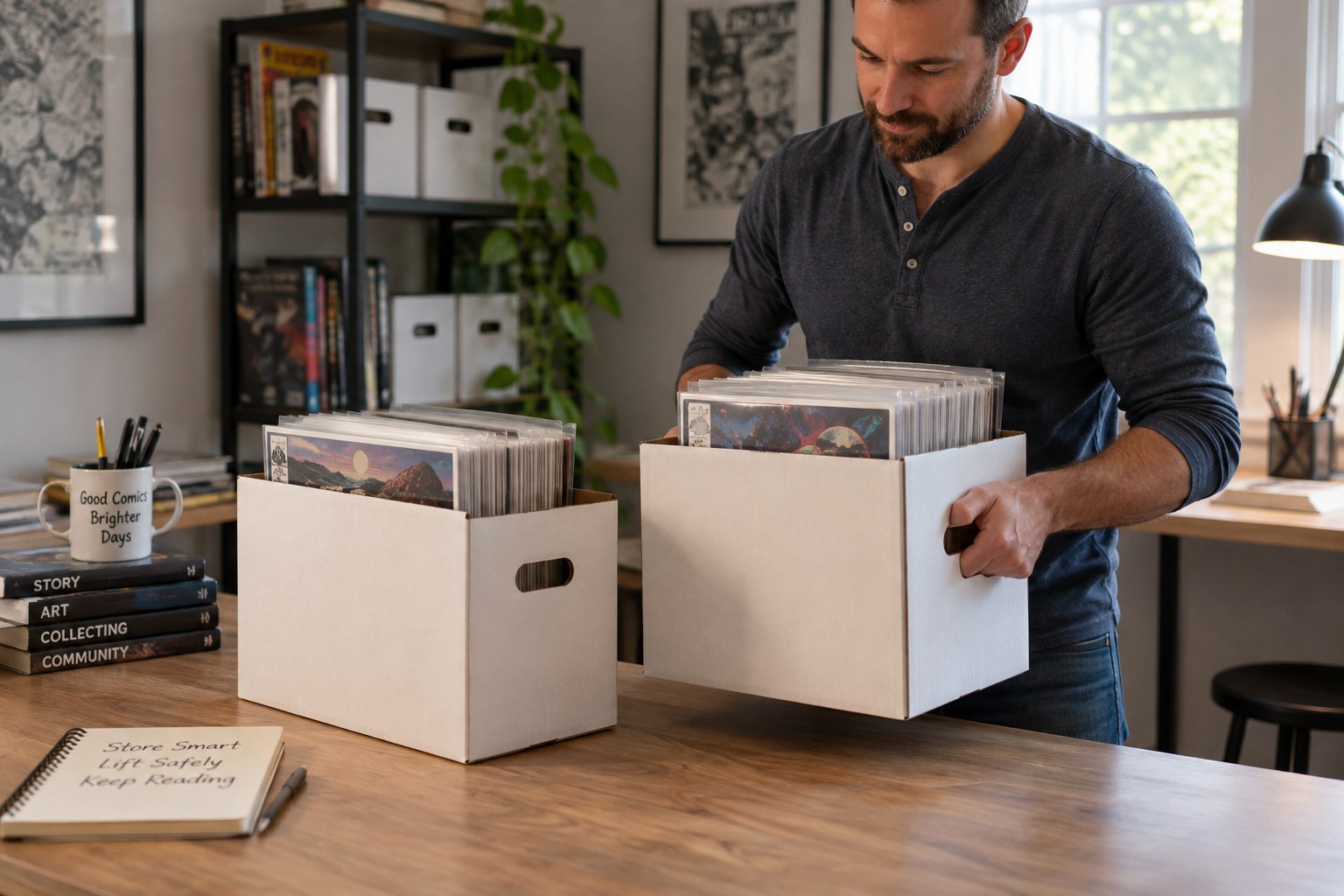
If a sleeved card will enter an album pocket or rigid holder, measure that next layer too. A card can fit its sleeve perfectly while the assembled pair catches at the pocket opening. Trial a small quantity before replacing the storage of an entire set. Keep the sample packet so you can identify which specification worked.
Insert a robust, low-value example gently, supporting it close to the opening. Stop if the edges scrape, the sleeve wrinkles tightly or the card bows. After insertion, check that you can remove it without pinching its printed surface. A snug fit should not turn every inspection into a difficult extraction.
Write down the successful combination of card dimensions, sleeve reference and outer holder. Keep exceptions in a separate note rather than assuming one sleeve fits the whole collection. When suppliers change packaging or product descriptions, compare the specification again before ordering replacements.