Comics & cards 059
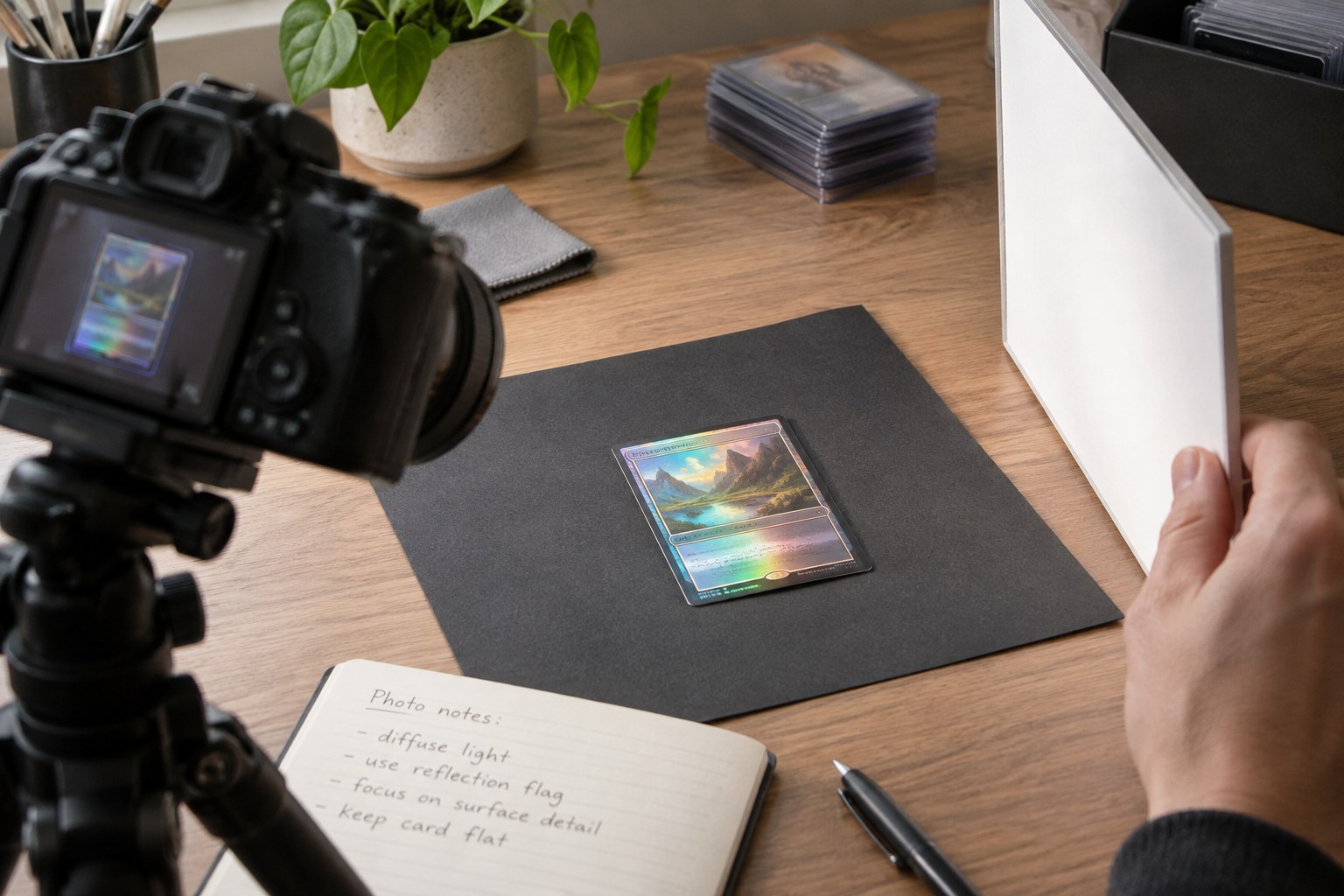
Photographing glossy cards with controlled reflections
Reflective cards need more than one lighting angle. The aim is to show the design and the surface honestly, rather than make every reflection disappear.
Read the guide20 guides · Page 2 of 2
Reflective cards need more than one lighting angle. The aim is to show the design and the surface honestly, rather than make every reflection disappear.
Read the guide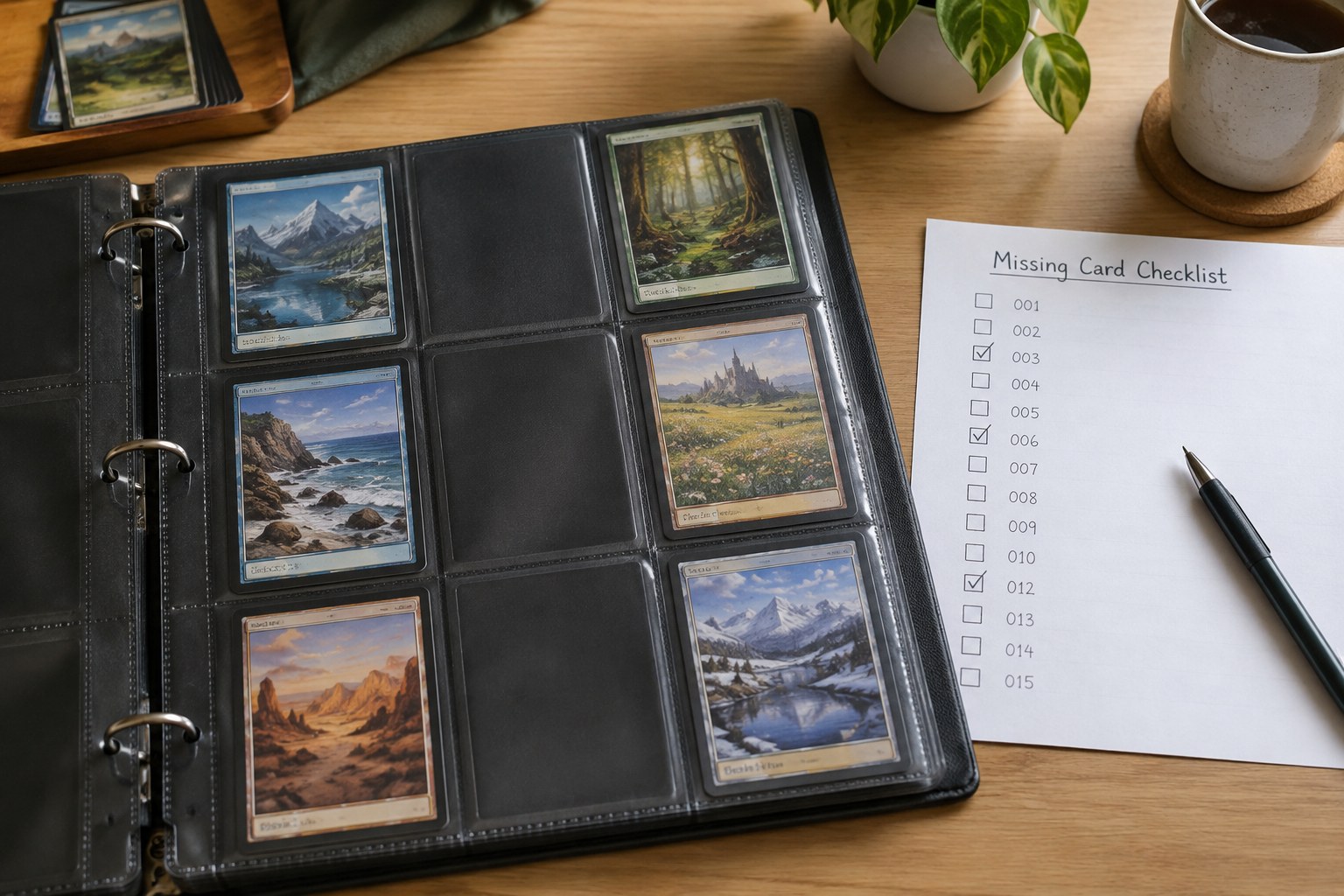
A missing-card checklist should answer a shopping question quickly: is this exact card needed? Clear identifiers matter more than elaborate formatting.
Read the guide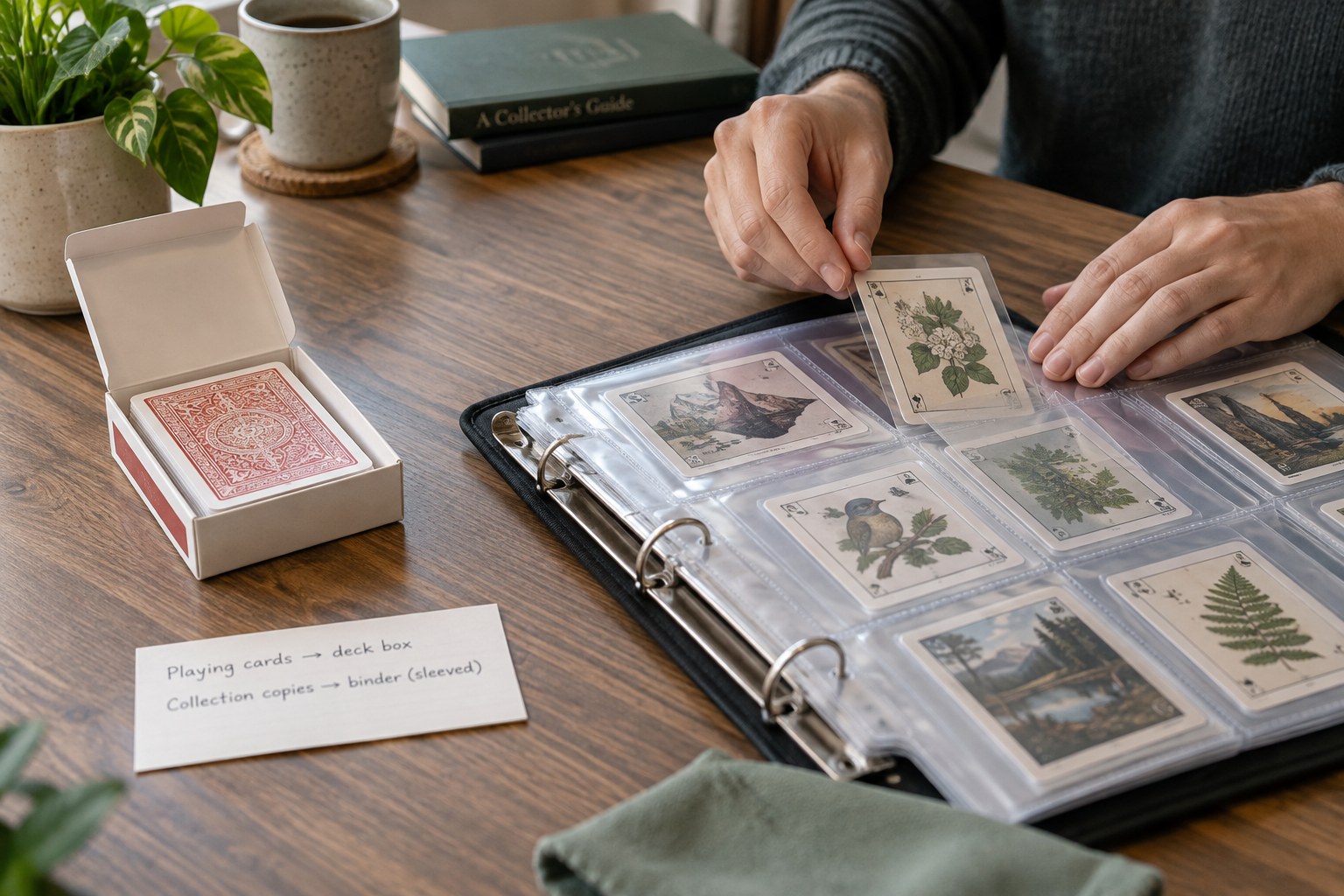
Cards used regularly at a table have a different routine from copies kept for a collection. Separate those roles so a game session does not quietly change the condition record of a stored copy.
Read the guide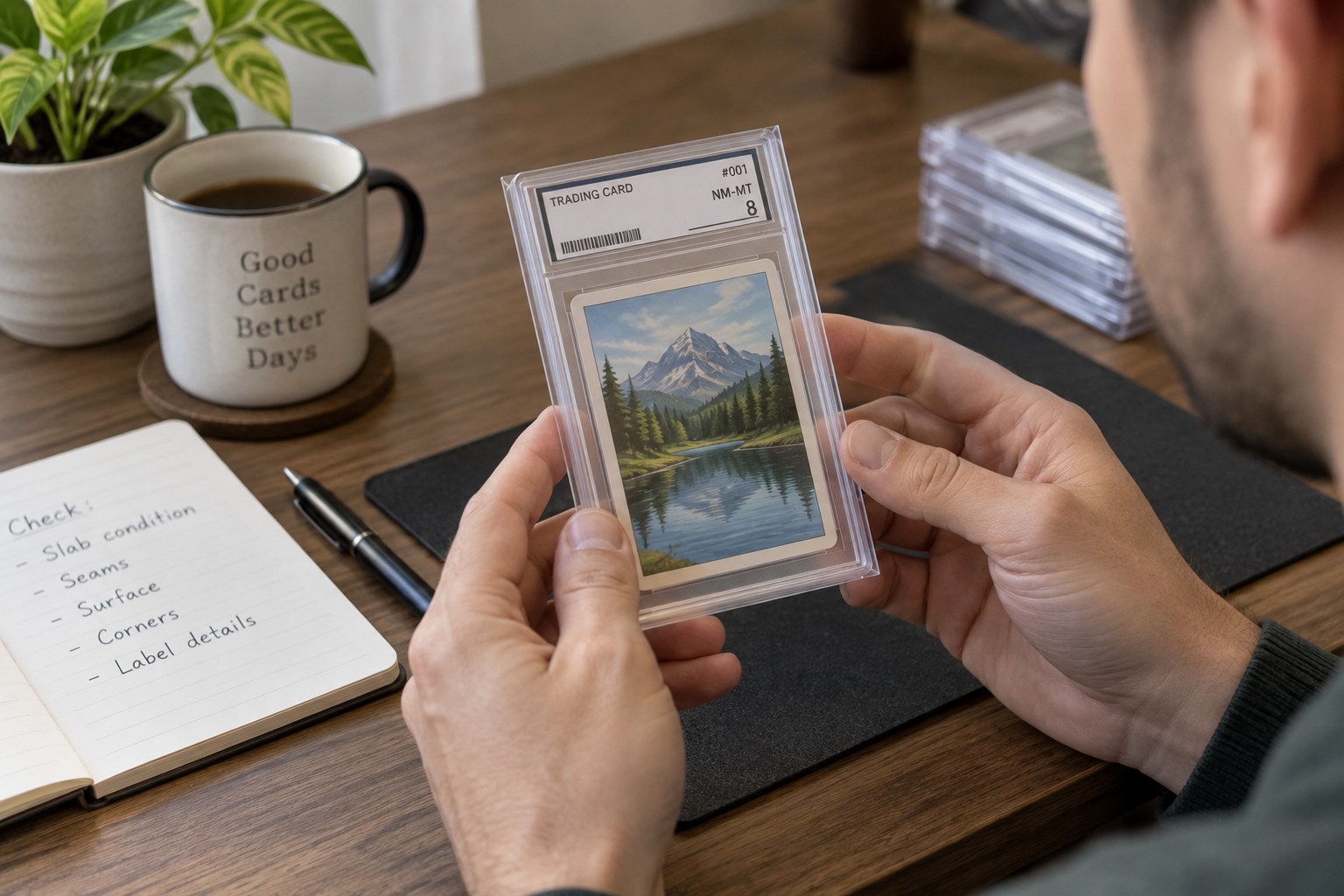
An encapsulated card comes with two things to examine: the card and the holder's identification. A certification number is a starting point for verification, not a replacement for checking the actual offer.
Read the guide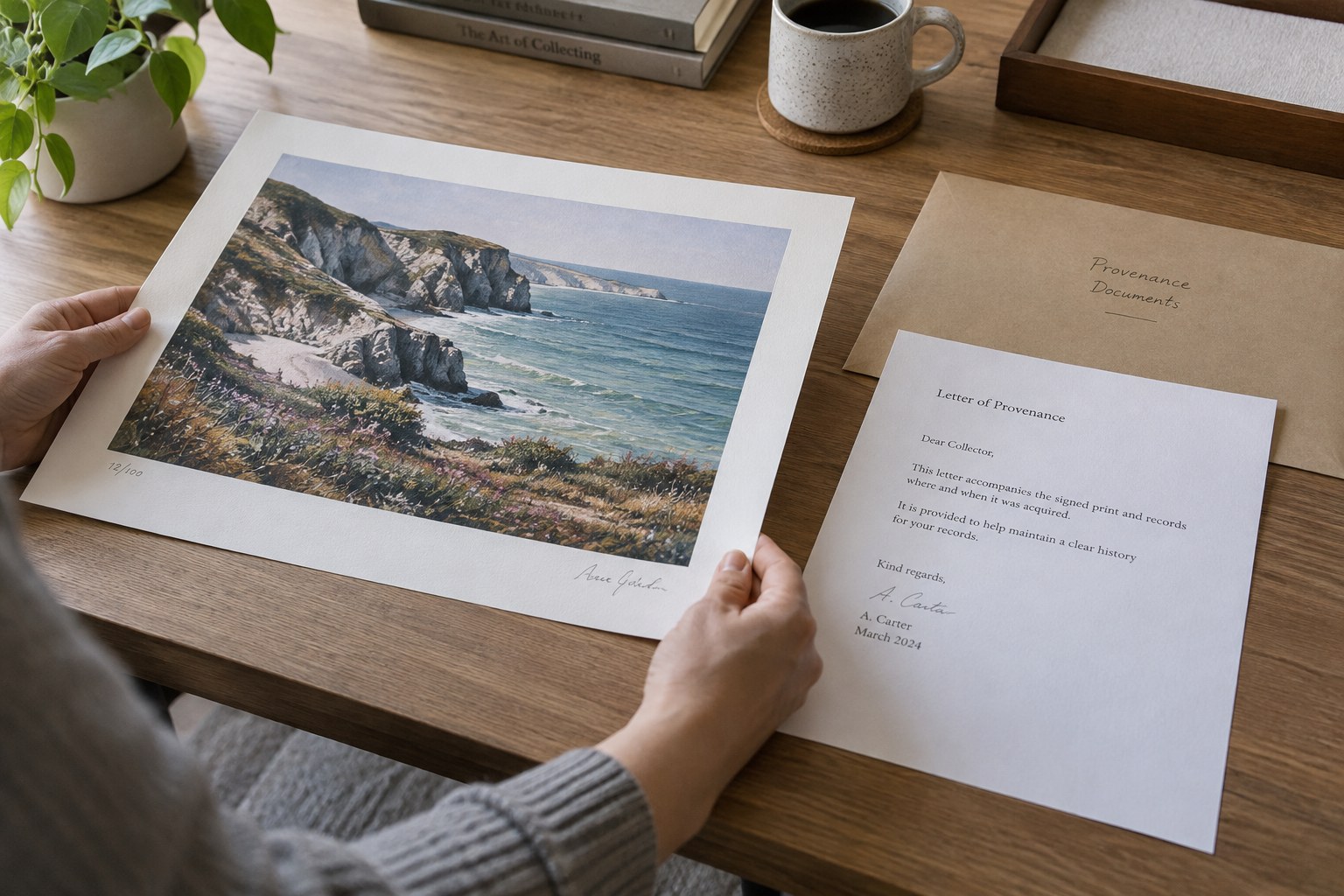
Documentation can explain how a signed item entered a collection. Keep each record connected to the object while being clear about what the record actually establishes.
Read the guide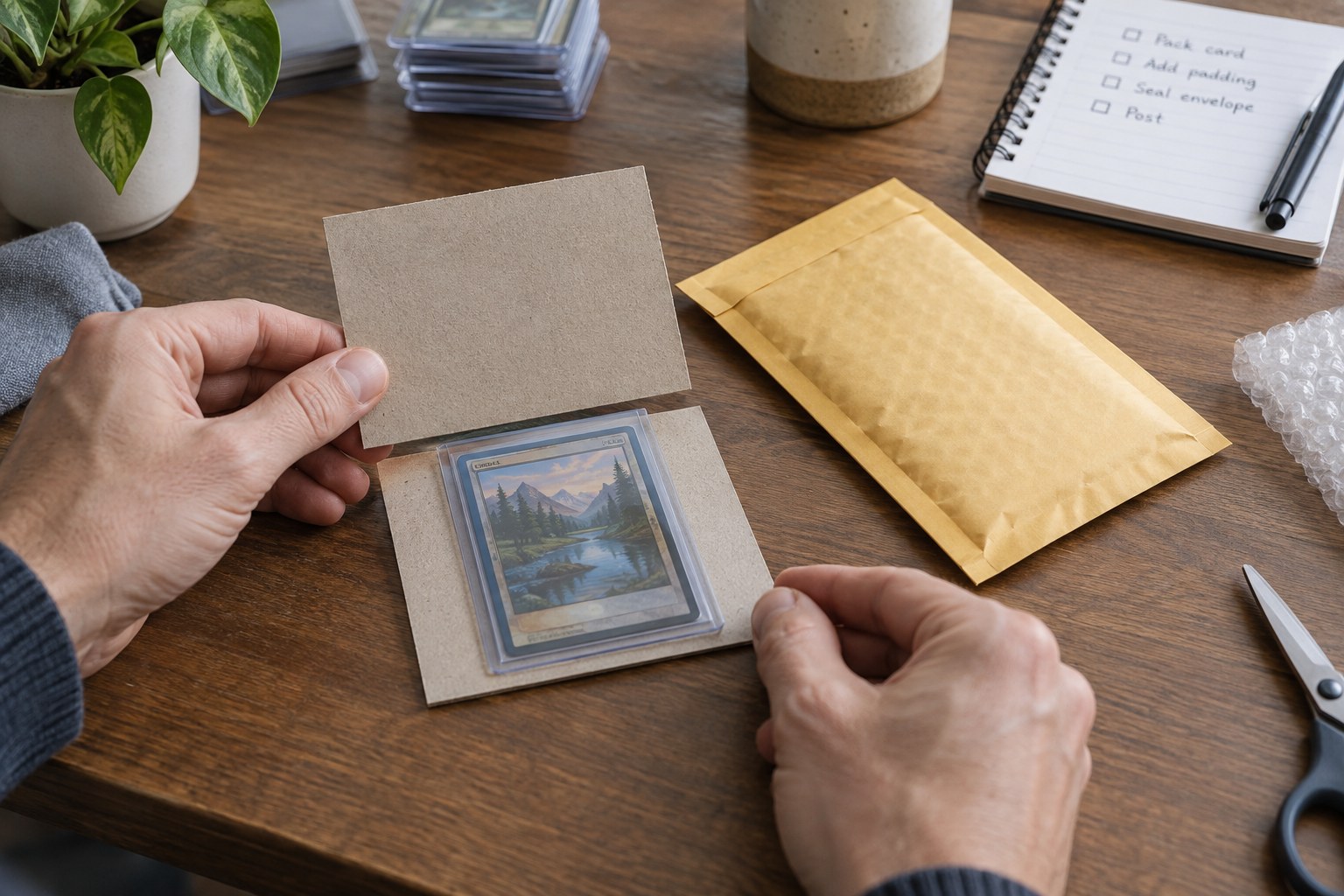
A postal exchange works best when both collectors agree on the exact cards and the practical details before either parcel leaves. A short written agreement prevents avoidable mismatches.
Read the guide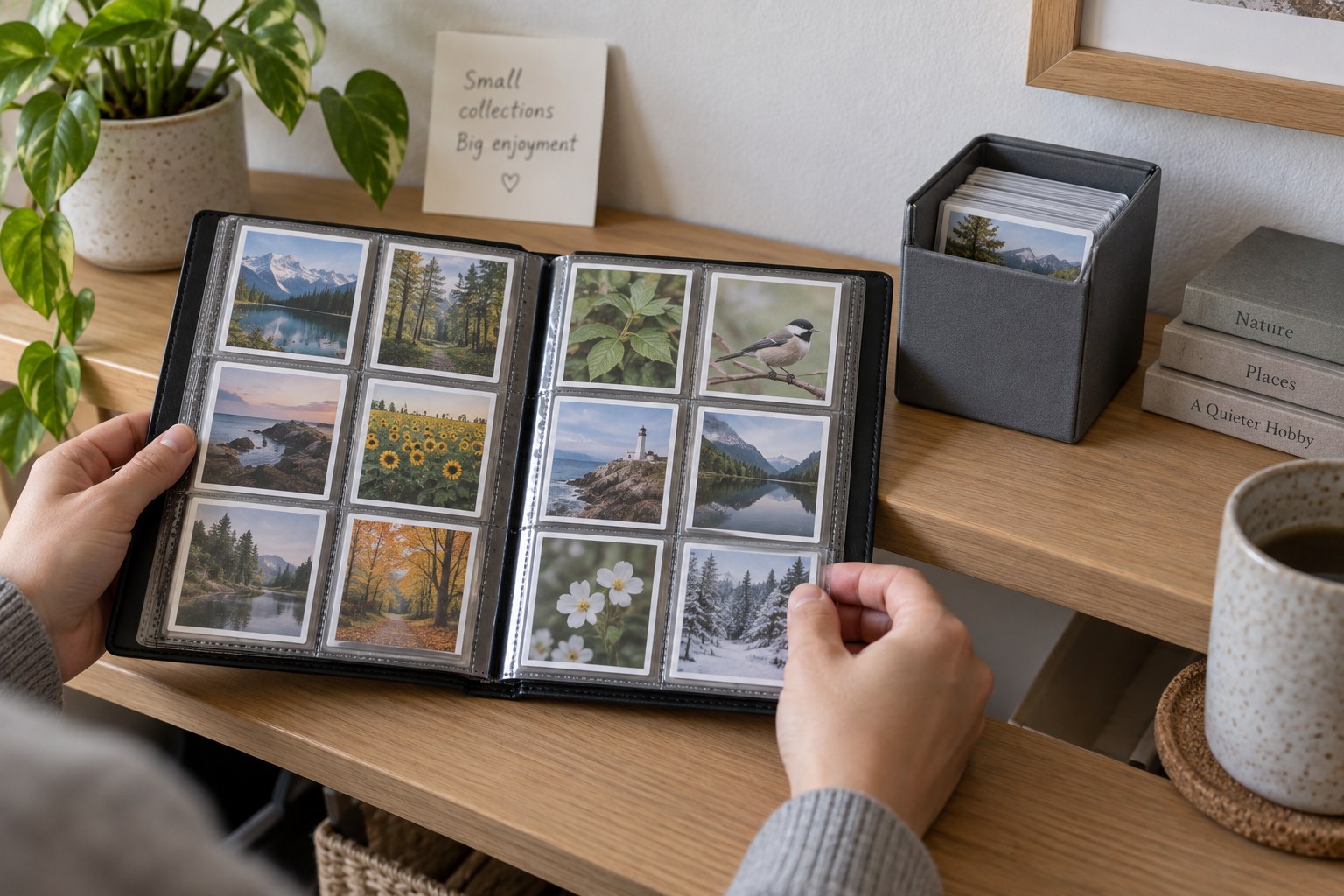
A small collection rarely needs every accessory sold for its hobby. Start with the objects and the way you use them, then buy storage to solve an identified problem.
Read the guide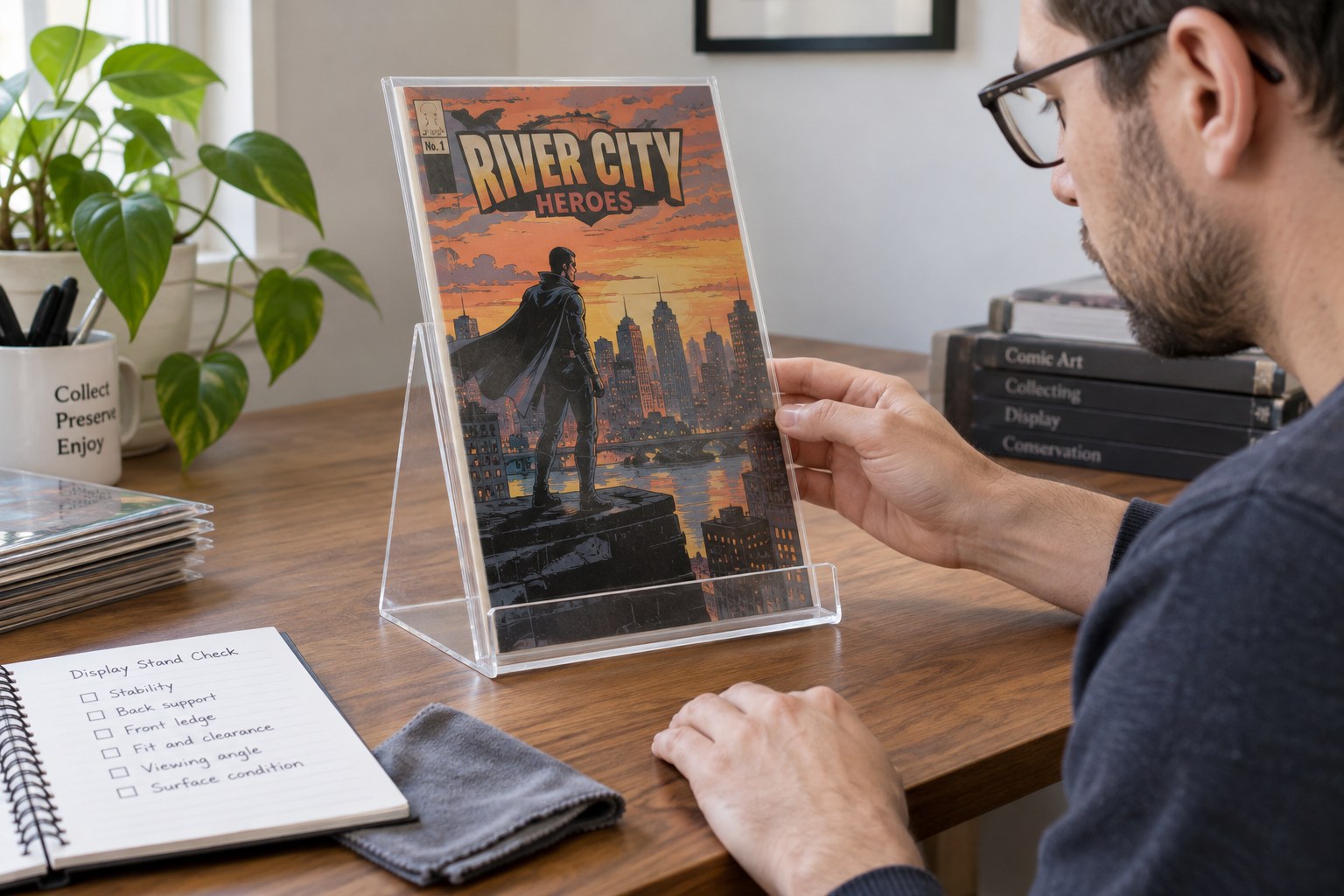
A comic display stand needs to support the particular book you want to show. Stability, contact points and retrieval matter more than how the empty stand looks in a product photograph.
Read the guide