Models & toys 079
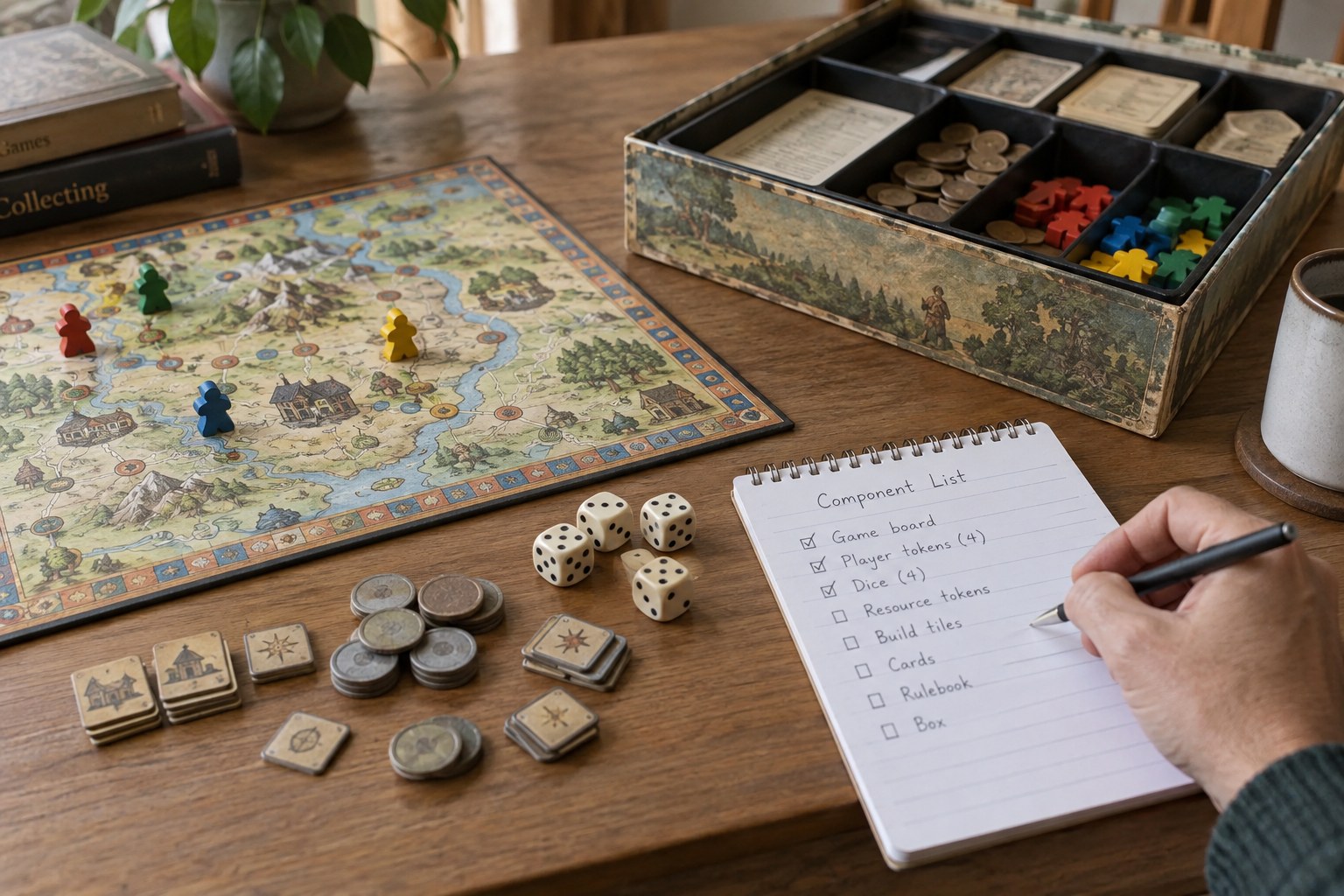
Making a component list for an older game
An older game is easier to assess with a component list tied to its exact edition. Counting a pile of pieces is only the beginning; identity and grouping matter too.
Read the guide24 guides · Page 2 of 2
An older game is easier to assess with a component list tied to its exact edition. Counting a pile of pieces is only the beginning; identity and grouping matter too.
Read the guide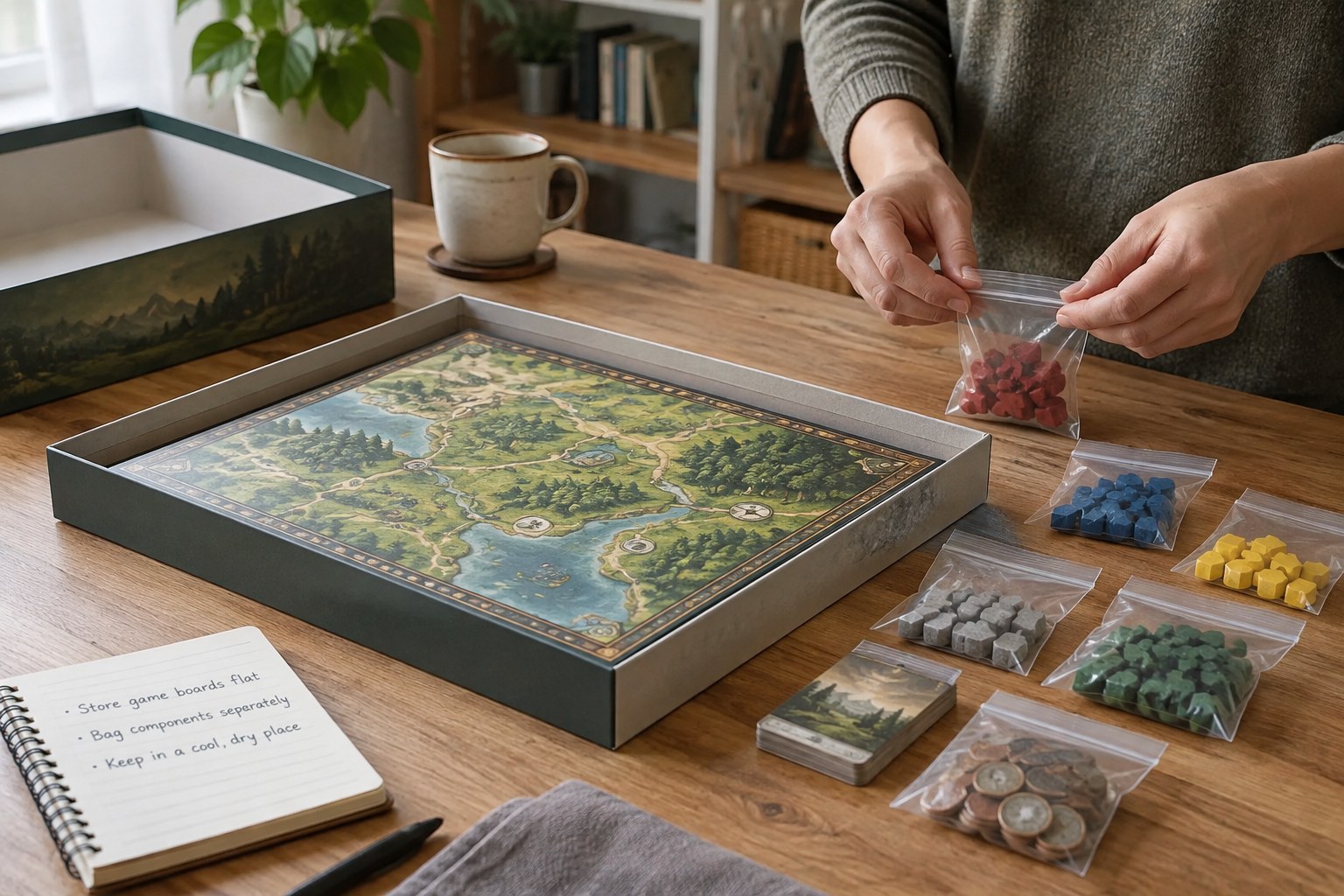
Separating a board from its playing pieces can reduce crowding inside an old box. The arrangement works only if every component remains clearly linked to the same game.
Read the guide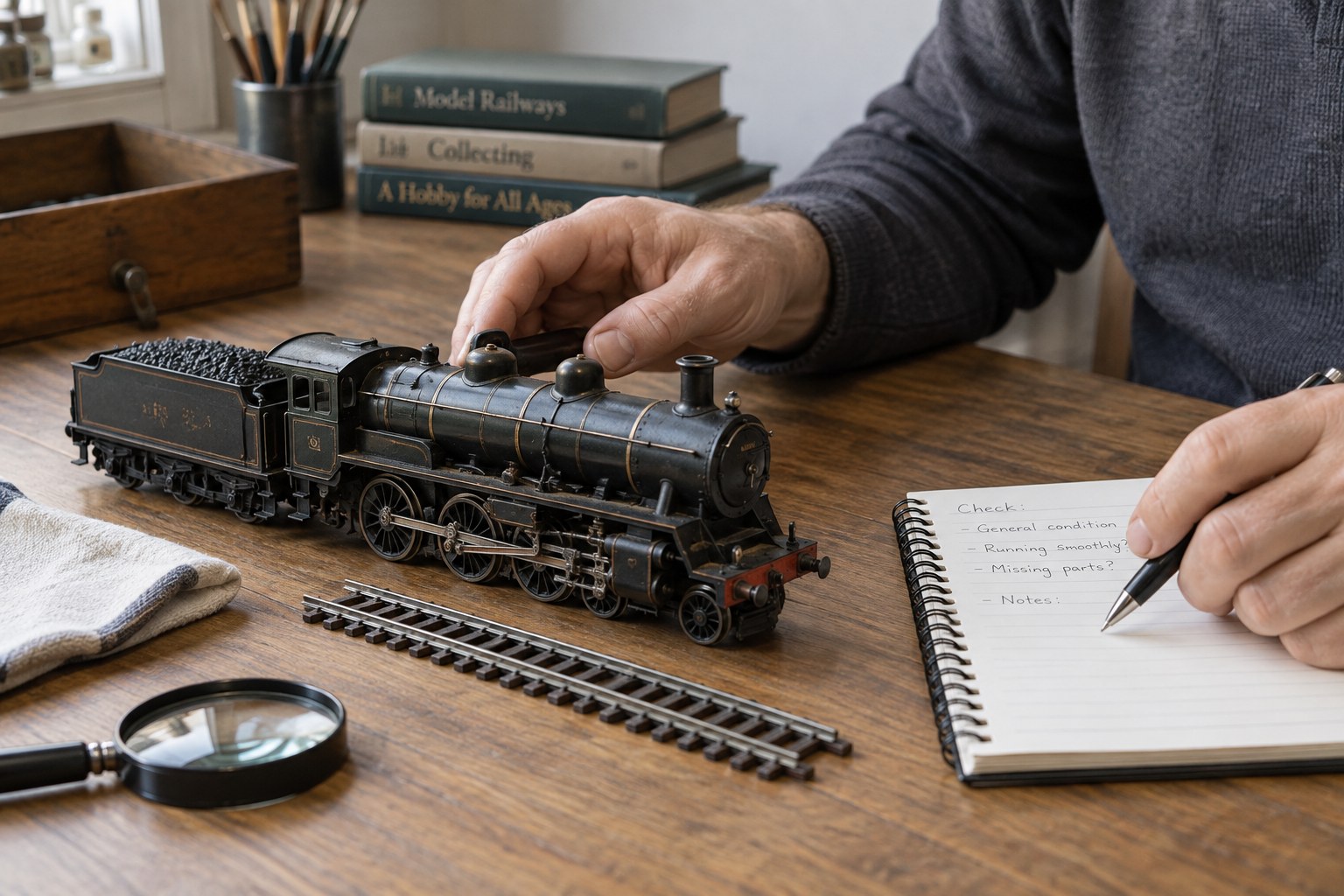
A collectible train can be bought for display, operation or historical interest. Decide which role matters before asking whether it works, because that single question leaves many important details unanswered.
Read the guide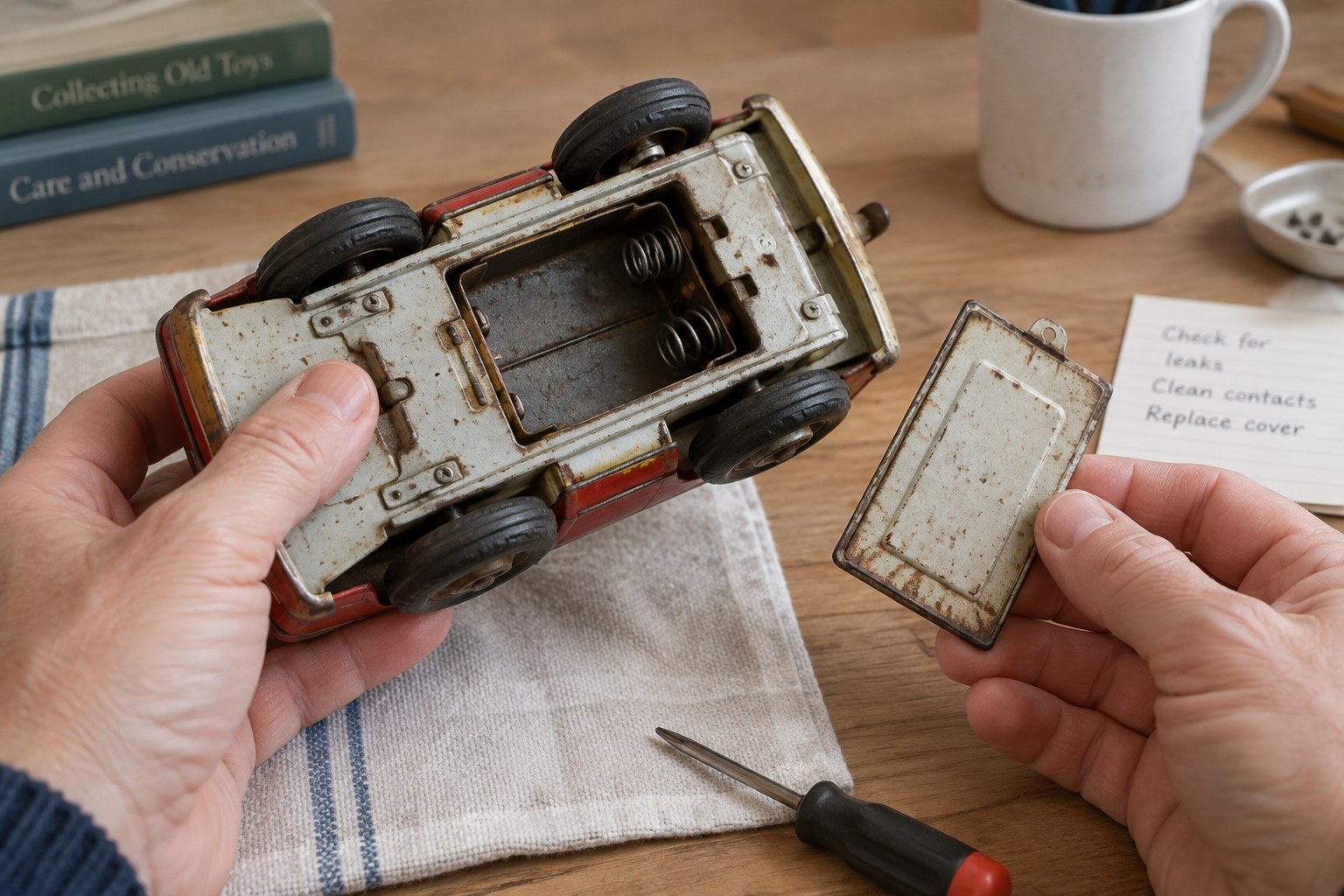
The battery compartment can reveal missing parts or visible residue that a front photograph misses. Inspection should stop short of powering or cleaning an unfamiliar old toy.
Read the guide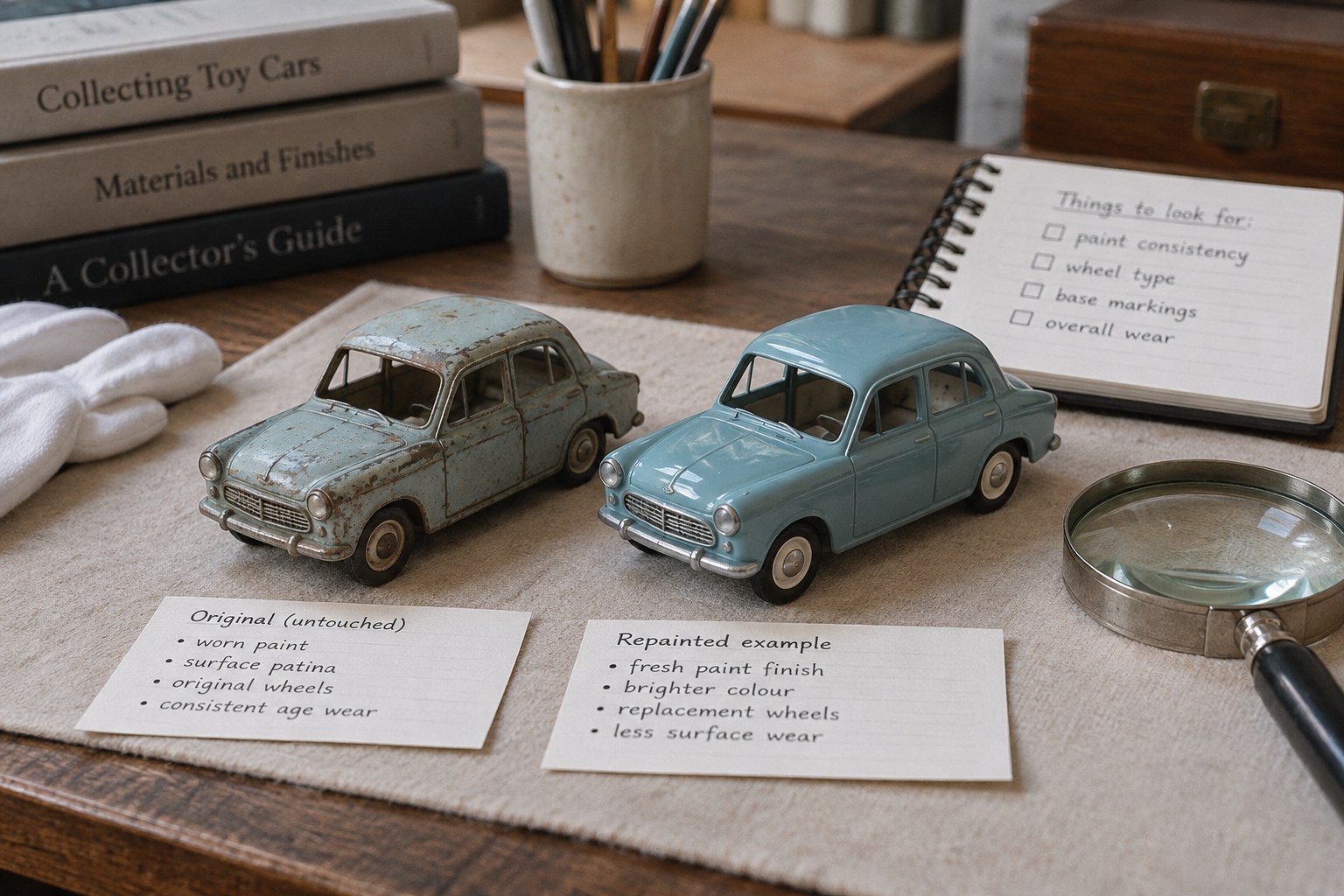
Restoration describes work done to an object; untouched describes a claim about its history. Neither should be inferred solely from how fresh or worn a collectible looks.
Read the guide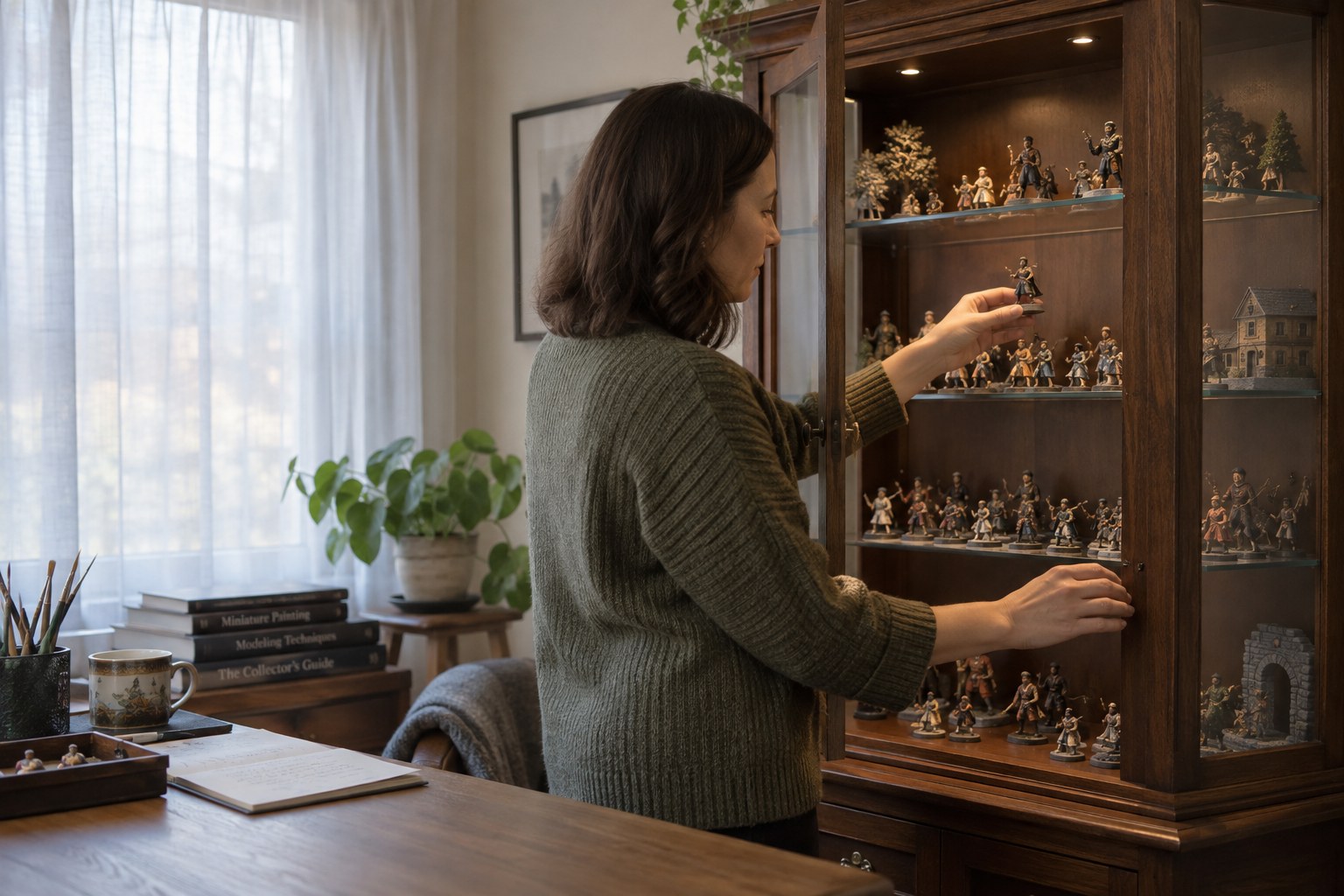
A miniature's position in a room affects its exposure over the whole day. Check the path of sunlight before deciding that a shelf is a suitable permanent display location.
Read the guide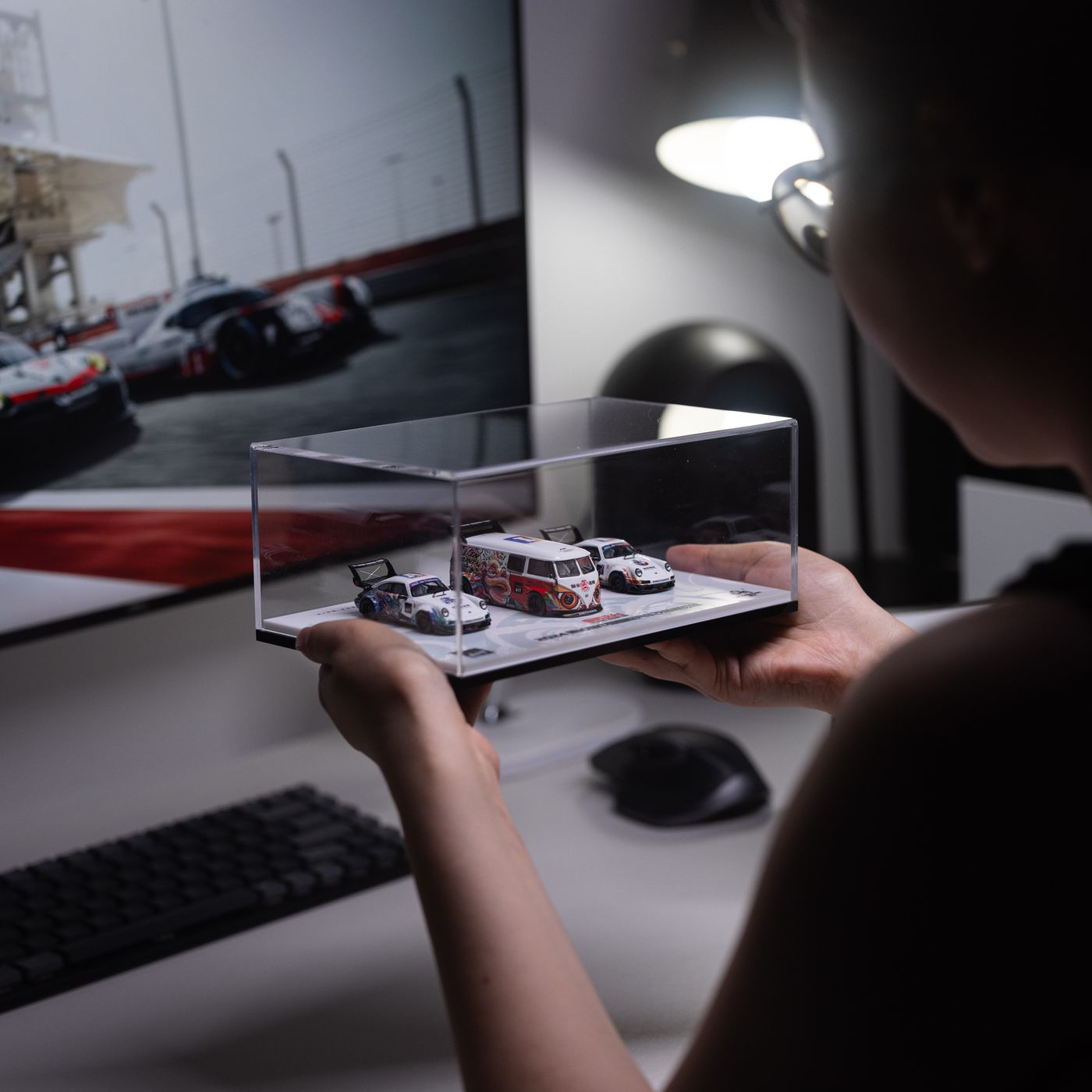
Limited space can help define a collection instead of merely restricting it. Choose a boundary that suits both your interests and the room available for storing the complete objects.
Read the guide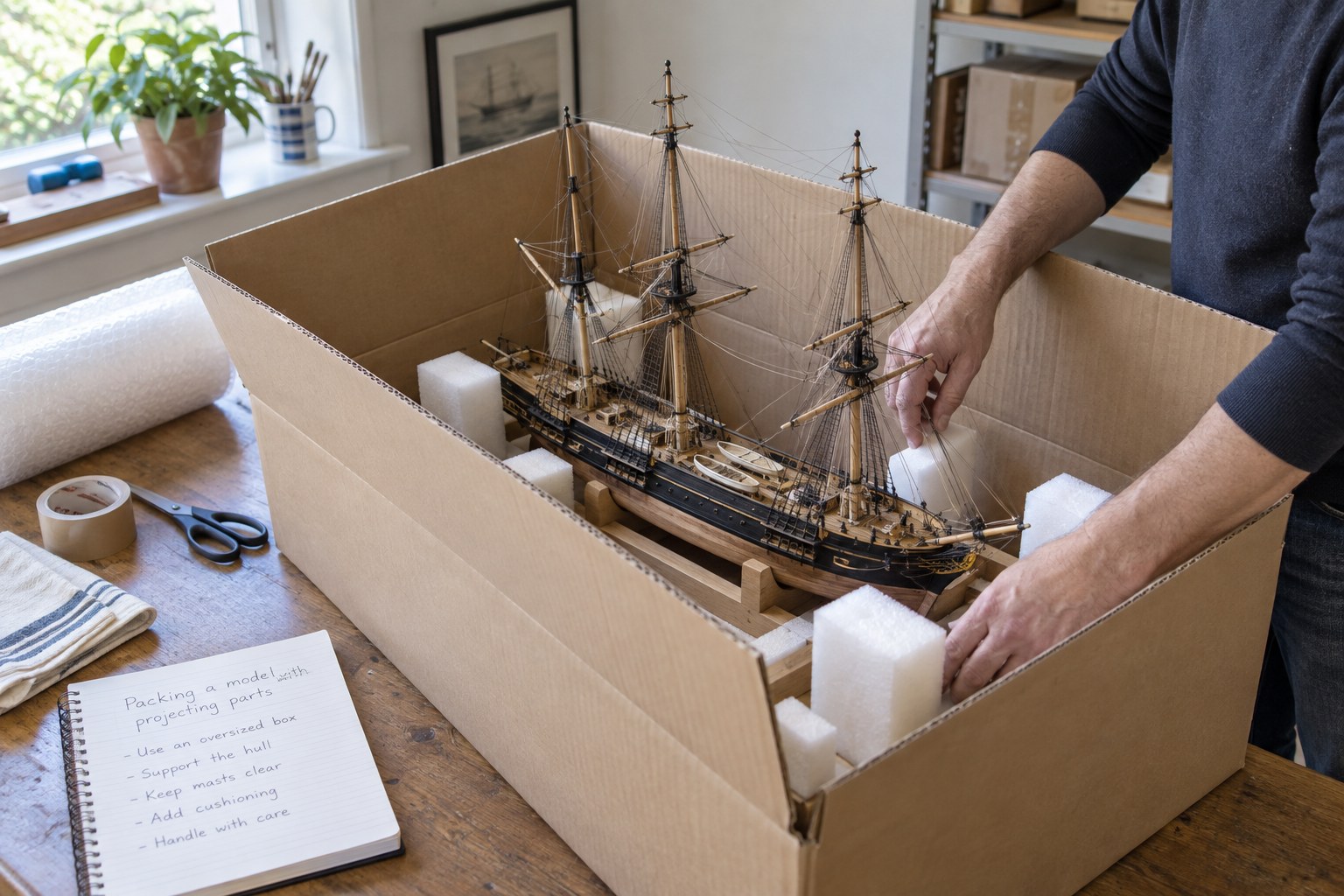
Projecting parts need empty space around them, while the model itself needs controlled support. Good packing distinguishes those two requirements instead of wrapping every surface tightly.
Read the guide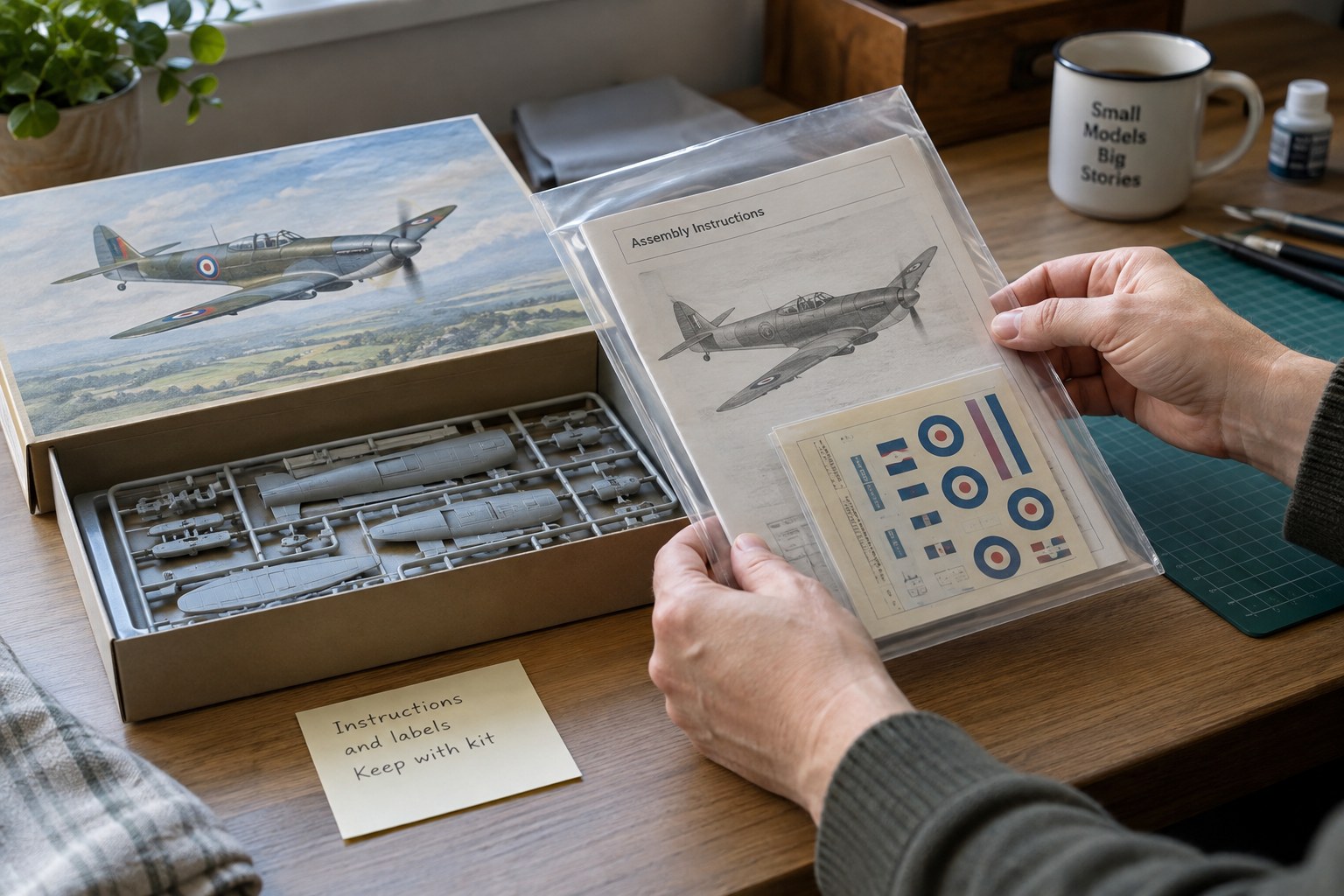
Instructions and labels help identify a model and explain its original setup. Preserve their link to the object without repeatedly handling delicate paper every time you need a reference.
Read the guide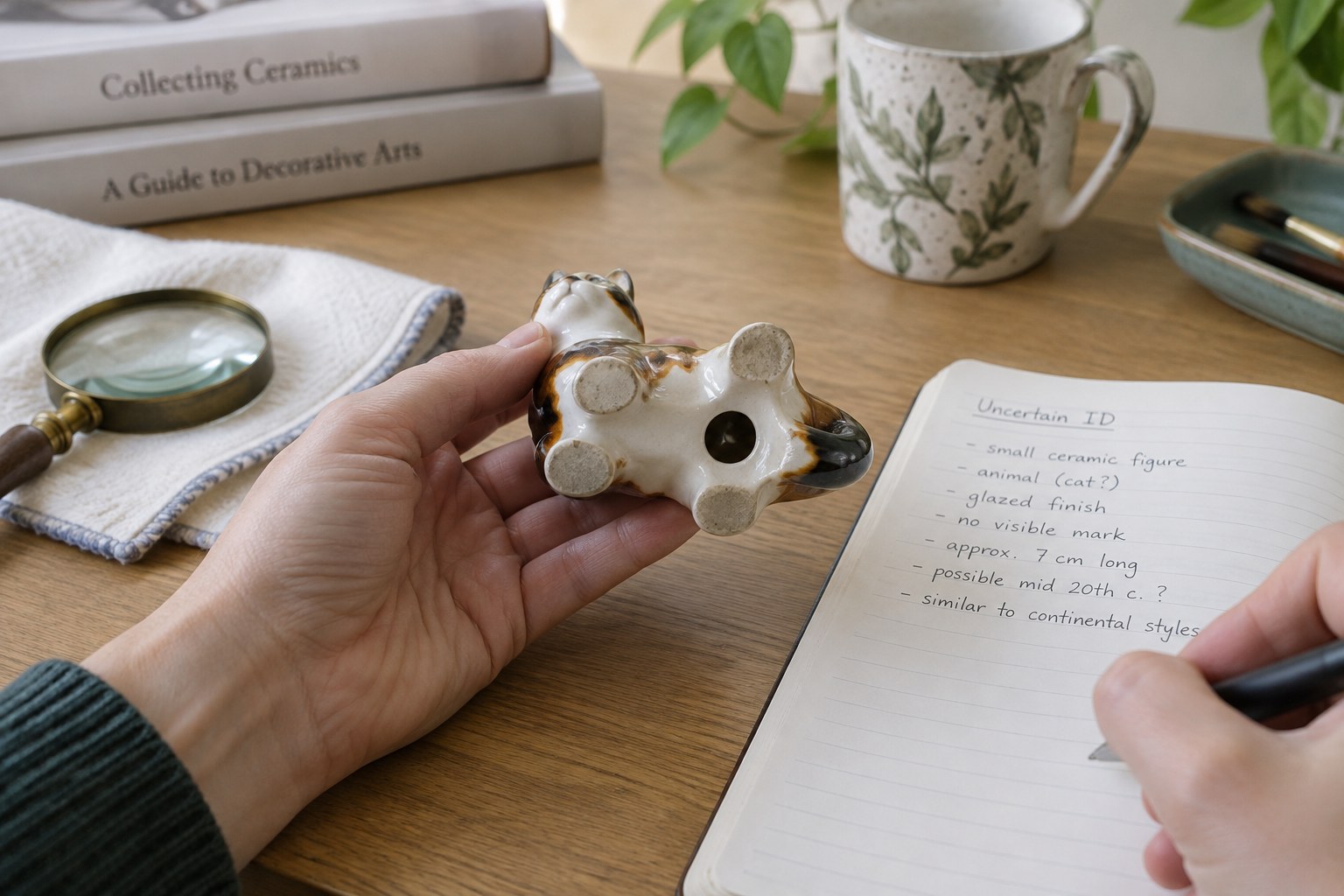
An unidentified figure can still have a useful catalogue entry. Describe what is present and keep possible attributions separate until evidence supports them.
Read the guide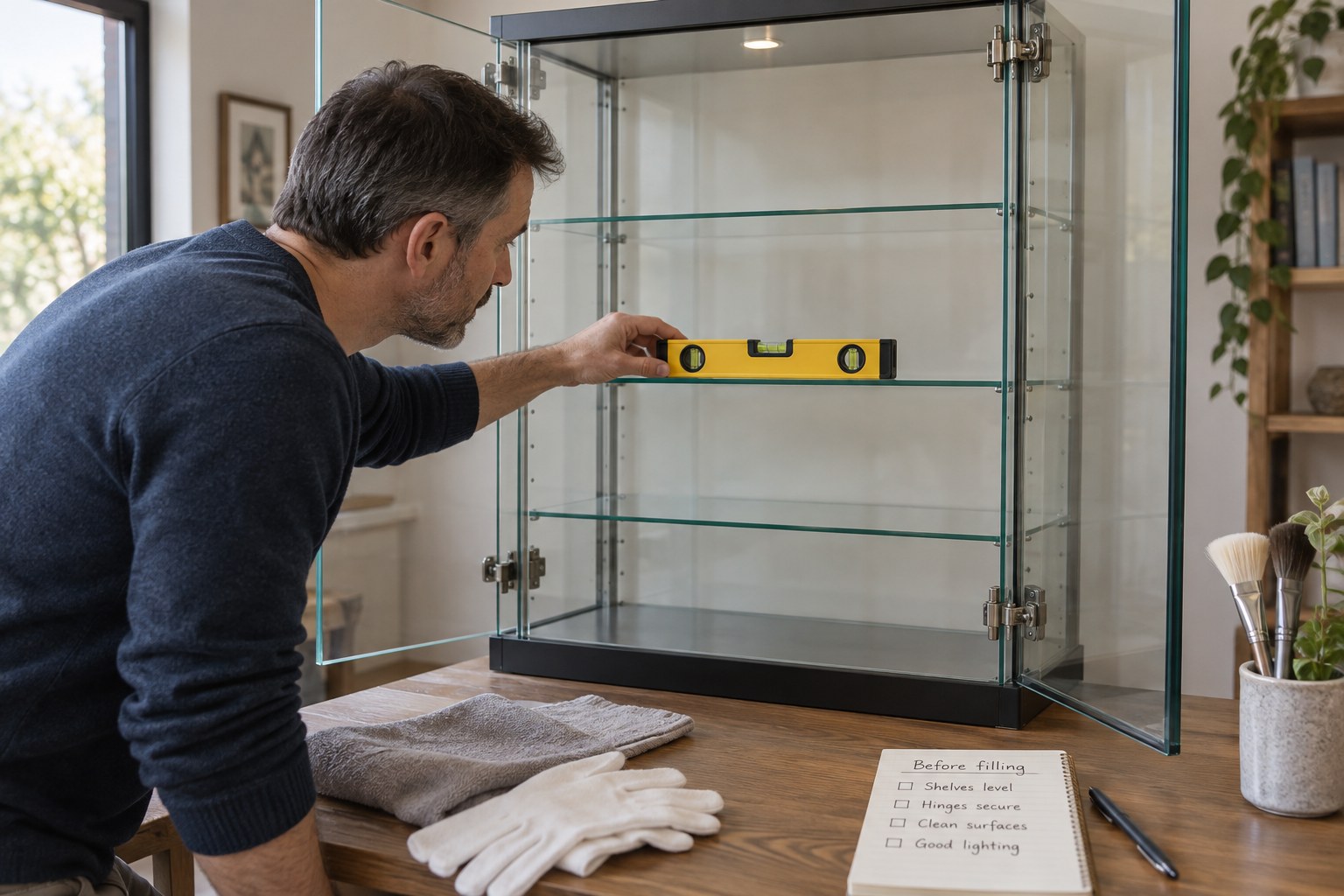
Check an empty cabinet as a piece of furniture and as a working display space. Once it is full, problems with access, shelf support or door clearance are harder to correct.
Read the guide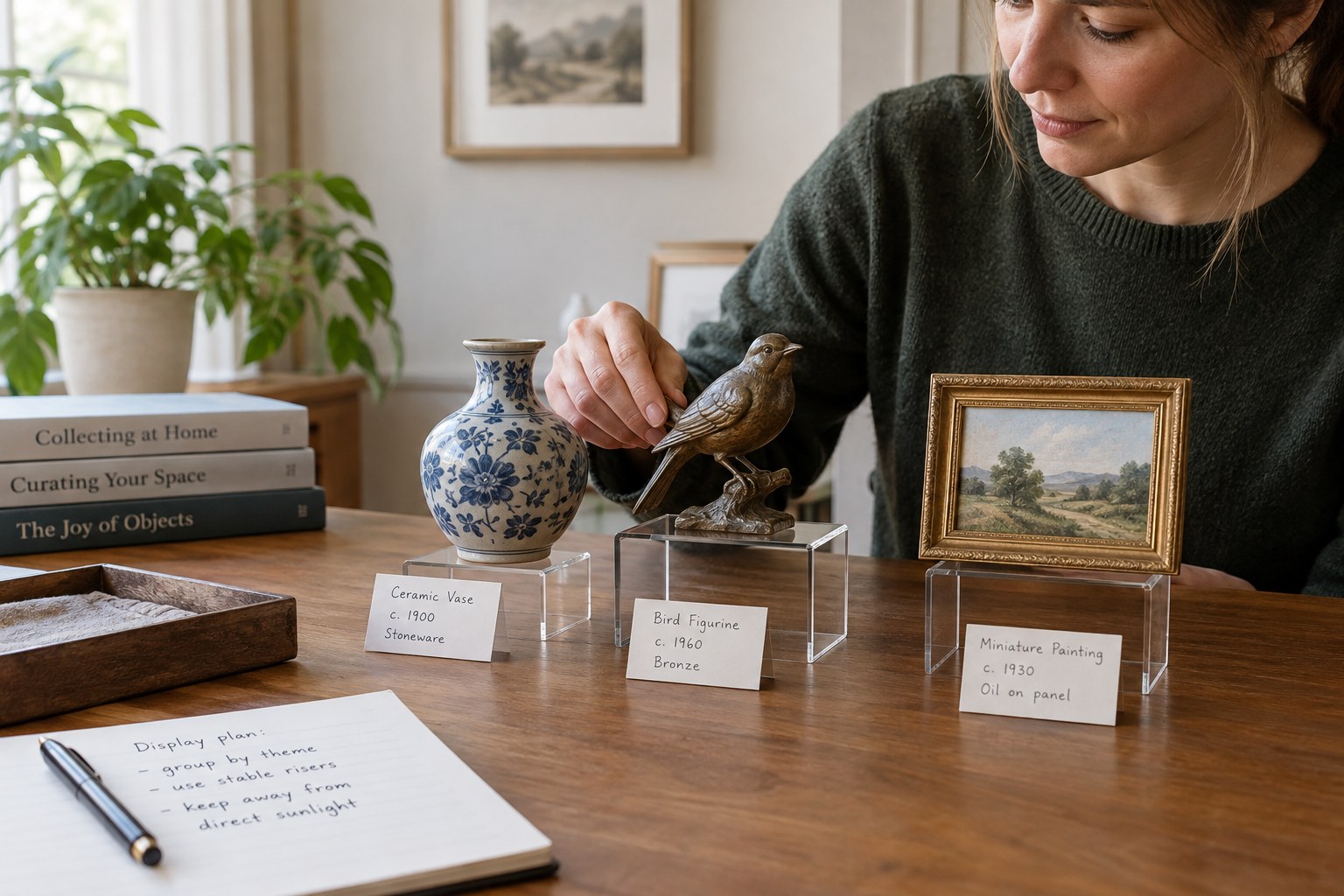
A temporary display can tell a small story without putting the whole collection on view. Give it a defined purpose, a manageable selection and a clear plan for returning everything to storage.
Read the guide